The average truck accident settlement is hard to pin down because no Texas agency tracks what insurers pay in private deals. What actually sets the value of a truck claim is a short list of facts: how badly you were hurt, who caused the wreck, and how much insurance stands behind the truck.

Insurance carries more weight than most people expect. Federal rules require most interstate freight carriers to hold at least $750,000 in liability coverage, while a Texas car owner only needs $30,000 per injured person.
These factors shape every settlement talk long before anyone mentions a courtroom. A Texas truck accident lawyer uses them to set a realistic value range based on your medical records, the available insurance, and how a Texas jury might see the facts.
Key Takeaways for Average Truck Accident Settlement
- Truck crash claims involving fractures, surgery, brain injuries, or spinal damage can reach six figures or more, while soft-tissue claims usually settle for less.
- Commercial trucks carry much larger insurance policies than cars, and a trucking company, a cargo loader, or a maintenance shop can share blame with the driver.
- Texas limits medical expense recovery to what was actually paid or incurred, not necessarily the full amount printed on a hospital bill.
- Punitive damages in Texas face a statutory cap.
- Gaps in treatment and recorded statements to an adjuster can give an insurer reasons to argue for a lower settlement.
Quick Answer: How Much Is the Average Truck Accident Settlement in Texas?
Texas has no official average truck accident settlement. Soft-tissue claims often settle in the tens of thousands of dollars. Claims involving surgery, brain or spinal injuries, or death can reach six or seven figures when the evidence and insurance coverage support them.How Does Injury Severity Affect a Truck Accident Settlement?
The severity of your injuries is one of the biggest factors in the value of a Texas truck accident settlement. Injuries that require surgery, prevent you from working, or create long-term medical needs generally support higher damages (compensation) than injuries that heal with limited treatment.
The diagnosis alone doesn’t set the value. Fault, insurance coverage, treatment, future care, and the lasting effect of the injury all shape what a claim could be worth.
Soft-Tissue Injuries
Neck strains, back sprains, and whiplash are common truck crash injuries. These claims often settle for less than claims involving fractures or surgery, especially when treatment ends after a few months of physical therapy.
The value can increase when pain lingers and requires injections, nerve procedures, or long-term care. Adjusters often push back on these claims because an X-ray won’t show every soft-tissue injury, so consistent medical records carry much of the weight.
Broken Bones and Surgical Injuries
A fracture that needs plates, screws, or a rod changes the math fast. Surgery bills, weeks of missed work, and months of rehab can substantially increase the value of a claim.
Herniated discs that end in a spinal fusion fall into this group, too. So do crush injuries to the hands and feet, which can happen when a passenger car’s cabin folds under a trailer on I-35.
Brain and Spinal Cord Injuries
Traumatic brain injuries and spinal cord damage can produce some of the largest 18-wheeler accident settlements. A person who can’t return to work, or who needs help with daily tasks for life, faces costs that stretch across decades.
Many of these patients start their recovery at a Level I trauma center such as Parkland Memorial Hospital in Dallas or JPS Health Network in Fort Worth. Their claims often depend on life care planners and economists who estimate the cost of future care, lost earning capacity, and other long-term losses.
Fatal Truck Crashes
When a truck crash takes a life, the Texas Wrongful Death Act allows the surviving spouse, children, and parents to bring a claim. These cases can involve substantial damages because they can include lost financial support and loss of companionship.
A separate survival claim can seek compensation for losses the person suffered before death, including medical expenses and pain. Both claims often move forward together.
Why Are 18-Wheeler Accident Settlements Usually Higher Than Car Accident Settlements?
In Texas, 18-wheeler accident settlements can be higher than car accident settlements because trucks often cause more serious injuries and carry far more insurance. Those two factors can substantially increase the value available in a claim.
Heavier Trucks Cause Heavier Injuries
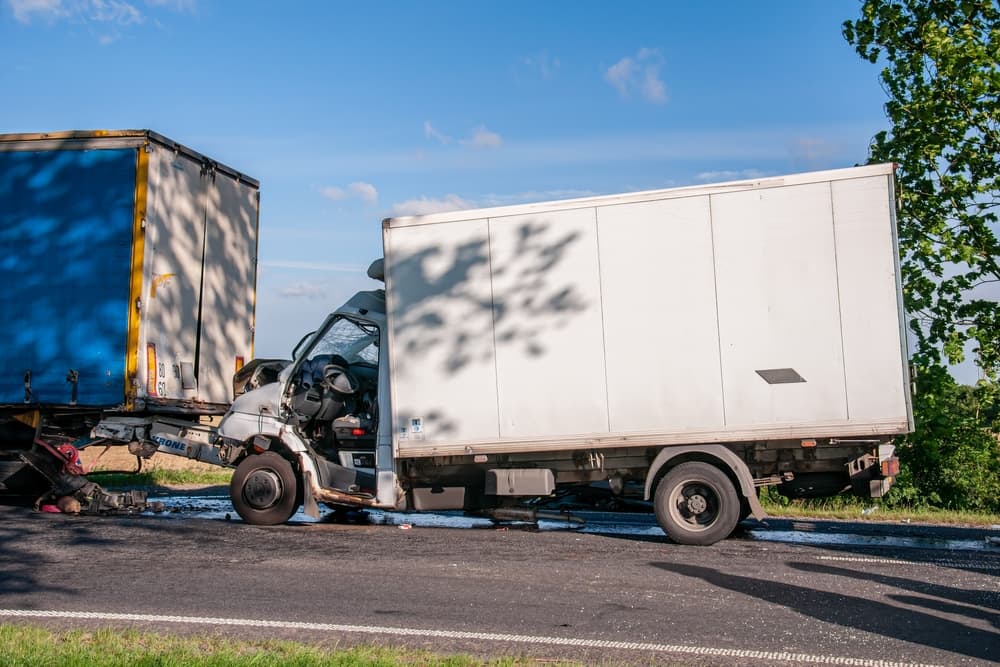
A loaded 18-wheeler can weigh up to 80,000 pounds, roughly 20 times the weight of a typical sedan. When that much mass hits a passenger car on I-10 or I-30, the people inside the smaller vehicle face far greater forces.
That’s why serious truck crashes can cause fractures, head trauma, and fatal injuries. Bigger injuries mean bigger medical bills and longer recoveries, which can push the value of a truck claim upward.
Bigger Insurance Policies Stand Behind the Truck
Under 49 C.F.R. § 387.9, most for-hire interstate carriers hauling general freight must carry at least $750,000 in liability coverage. Carriers hauling certain hazardous materials need $1 million or $5 million, depending on the cargo.
Many large fleets also buy excess or umbrella policies that sit on top of the primary coverage. A car crash claim can hit a ceiling at the other driver’s $30,000 policy, while a truck claim can have substantially more coverage available.
More Than One Company Can Share the Blame
A car crash usually involves one driver and one insurer. A truck crash can involve the driver, the motor carrier, the company that owns the trailer, the shipper that loaded the cargo, and a repair shop that serviced the brakes. Each responsible company could have its own insurance coverage.
State law also affects how some claims against a trucking employer proceed. When the employer makes the required stipulation about the driver’s employment and scope of employment, the law can limit certain ordinary-negligence theories tied to the driver’s conduct.
Claims based on the employer’s own conduct, such as negligent maintenance, and claims for exemplary damages can still be treated separately under the statute.
Federal Rules Leave a Paper Trail
Truck drivers and carriers must follow the regulations put forth by the Federal Motor Carrier Safety Administration (FMCSA), which cover driving hours, vehicle maintenance, drug testing, and driver qualifications. Many of those rules require carriers to create or keep records.
When those records show a violation tied to the crash, such as a driver who exceeded driving limits or brakes that failed inspection, the evidence can strengthen the liability case. Insurers factor that trial risk into settlement negotiations.
What Damages Make Up a Texas Truck Accident Settlement Amount?
Texas truck accident settlement amounts are built from three kinds of damages: economic losses, non-economic losses, and, in rare cases, exemplary damages. Each one follows its own rules under Texas law.
Economic Damages
Economic damages cover losses with a receipt or a paycheck behind them. That includes past and future medical care, lost wages, lost earning capacity, and damage to your vehicle. Texas has a twist here, limiting recovery of medical expenses to amounts actually paid or incurred, rather than automatically using the full amount originally billed by a provider.
The types of compensation available after a truck accident depend on the financial and personal losses tied to your injuries.
Non-Economic Damages
Non-economic damages cover the harm that doesn’t come with a bill: physical pain, mental anguish, physical impairment, and disfigurement. Texas doesn’t use a set formula for these, so juries and insurers weigh how the injury changed your daily life.
Texas caps non-economic damages in medical malpractice cases, but no general non-economic damages cap applies to an ordinary truck crash claim.
There’s no fixed formula for how pain and suffering is calculated in truck cases. Insurers and juries instead look at how severely the injury affects your life and how long those effects last.
Exemplary Damages
Exemplary damages, often called punitive damages, punish especially reckless conduct. Under Section 41.003, you must prove gross negligence, malice, or fraud by clear and convincing evidence.
Section 41.008 generally caps these awards at the greater of $200,000 or two times economic damages plus an amount for non-economic damages not exceeding $750,000.
A carrier that knowingly allows dangerous conduct could face an exemplary damages claim when the evidence meets the required legal standard.
What Issues Lower the Value of Your Truck Accident Claim?
Several problems can lower the value of your truck accident claim, including gaps in your medical treatment and posting on social media about your case. Insurance adjusters look for evidence they can use to dispute your injuries, damages, or share of fault.
Those issues can follow a claim through every round of negotiation, even when the rest of the evidence is strong.
The problems that come up most often in Texas truck claims include:
- Gaps in Medical Treatment: Weeks without a doctor visit give an insurer room to argue you healed or got hurt somewhere else. Steady care creates a record that connects your pain to the crash.
- Recorded Statements: A trucking company’s adjuster might call early and ask to record the conversation. A casual comment like “I’m doing okay” can resurface later as evidence that your injuries were minor.
- Shared Fault: Under Section 33.001, your percentage of blame for the wreck lowers your compensation by the same percent. If you’re over 50% to blame, you can’t get compensation at all.
- Social Media Posts: A photo from a family barbecue or a short walk around White Rock Lake can be pulled out of context. Adjusters and defense lawyers can use public posts to challenge what you say about your limitations.
- Pre-Existing Conditions: An old back injury doesn’t automatically bar your claim. Insurers can still argue that the old condition, rather than the truck crash, caused some or all of your current symptoms.

How Do Insurance Adjusters Value a Truck Accident Claim?
Insurance adjusters value a Texas truck accident claim by reviewing medical expenses, diagnoses, treatment, lost income, fault, available coverage, and trial risk. Some insurers also use claims software to help evaluate the file. The number they reach represents the insurer’s assessment of the claim, not an objective measure of what your injuries are worth.
Adjusters also set a reserve during the process. That’s the amount the insurer sets aside for the claim, and it can change as new medical records and evidence come in.
Why the First Offer Might Not Reflect the Full Value of Your Claim
Early offers can arrive before you finish treatment, which means the full extent of your injuries or future care needs might not be clear yet. Signing a settlement release generally ends your claim, even if your condition later turns out to be worse than expected.
A quick offer can look generous when bills are piling up. It reflects the information available when the insurer makes it, which might not include the full cost of your recovery.
What Moves an Adjuster’s Number
Hard evidence moves settlement values more than arguments do. Data from the truck's engine control module, electronic logging device records, dashcam video, and a treating doctor’s written opinion on causation can all change the math.
Where a claim goes to trial matters, too. Insurers and defense lawyers look at past verdicts and other available data when evaluating litigation risk.
FAQ for Average Truck Accident Settlement
Will I Pay Taxes on a Truck Accident Settlement in Texas?
Most compensation for physical injuries isn’t taxable under federal law, and Texas has no individual state income tax. Punitive damages and interest can be taxed differently.
Will My Health Insurance Get Paid Back From My Truck Accident Settlement?
Your health insurer might have a right to reimbursement for crash-related bills it paid. Medicare, Medicaid, ERISA plans, and hospital liens can also affect how much of your settlement you keep.
What Happens if My Truck Driver Was an Independent Contractor?
Calling a driver an independent contractor doesn’t automatically shield the motor carrier from responsibility. Liability depends on the carrier’s authority, the contracts involved, and the facts of the crash.
Can I Reopen My Truck Accident Settlement if My Injuries Get Worse?
A signed settlement release generally ends your claim, even if your condition later gets worse. That’s why future medical needs and long-term losses should be considered before you settle.
Will I Get My Truck Accident Settlement in One Payment?
Many truck accident settlements are paid in one lump sum, while others use structured payments over time. Settlements involving minors can require court approval and special arrangements for the money.
Put a Real Number on Your Truck Claim

A truck accident settlement depends on your injuries, financial losses, fault, available insurance, and the evidence supporting your claim. DFW Injury Lawyers investigates the trucking records, identifies available insurance, and builds your claim around the losses supported by the evidence.
You can focus on your recovery. We’ll handle the calls, the evidence, and the claim.
Before you accept an offer, find out how a Dallas truck accident lawyer values your claim. Call (888) 231-1341 for a free consultation, or fill out our online form today.

Pedro “Peter” de la Cerda
Founder
Attorney Pedro “Peter” de la Cerda is a co-founder of DFW Injury Lawyers. As a young attorney looking for courtroom experience, Mr. de la Cerda began his career defending physicians, nurses, hospitals, trucking, and manufacturing companies in disputes involving personal injury, medical malpractice, products liability, and toxic tort. After seeing many people who were truly injured and deserving of fair compensation, however, Mr. de la Cerda was moved to cross the courtroom aisle and prosecute cases on behalf of plaintiffs in personal injury cases.
Author's Bio