A traumatic brain injury (TBI) can be one of the most serious consequences of a Texas truck accident. The force of a collision with a commercial truck can damage the brain even when there is no visible head wound, leaving victims with physical, cognitive, and emotional symptoms that interfere with work, relationships, and everyday activities.
These claims are often more complex than other injury cases because the effects of a brain injury are not always immediately apparent. Proving the full extent of the injury frequently requires neurological testing, ongoing medical documentation, and evidence showing how the condition affects daily life.
When the crash resulted from a truck driver's negligence or another company's safety failure, those long-term losses can become an important part of the claim for compensation.
Key Takeaways for Truck Accidents and Brain Injuries
- Commercial truck claims can involve greater insurance coverage and more complex liability issues than standard passenger-car claims.
- Building a solid legal claim requires prompt medical evaluation and thorough documentation of the injury.
- Compensation can account for your lifetime medical needs, ongoing cognitive therapy, and permanently lost earning capacity.
- Corporate defense teams may attempt to blame the victim or downplay the clinical severity of the neurological damage.
- Securing expert testimony and comprehensive life care plans is necessary to prove the total financial impact of your injury.
Quick Answer: Why Are Brain Injuries So Serious?
A traumatic brain injury after a truck accident can affect your memory, thinking, emotions, ability to work, and daily life long after the crash. Some symptoms appear immediately, while others develop over days or weeks. Since brain injuries often require ongoing treatment and can have lasting effects, documenting the injury early and understanding its long-term impact are essential to both your recovery and any compensation claim.How Do Truck Accidents Cause Traumatic Brain Injuries?
The force of a commercial truck collision can cause the brain to move violently inside the skull, leading to bruising, bleeding, or damage to nerve fibers. When a tractor-trailer strikes a smaller vehicle, the impact can whip an occupant’s head back and forth or force it into the steering wheel, window, or another part of the cabin.
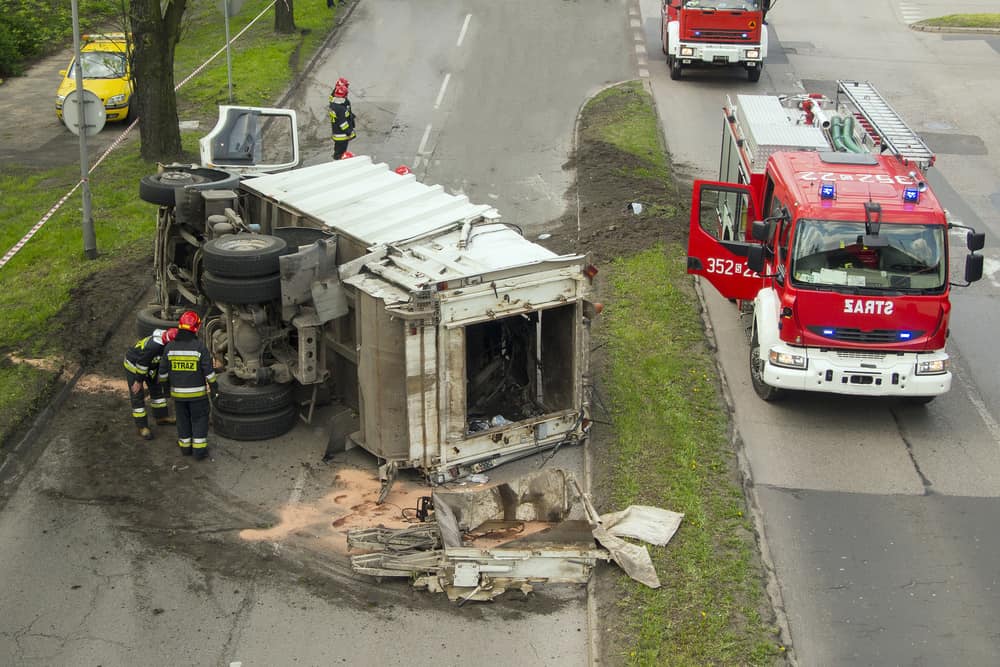
Understanding the common causes of traumatic brain injuries in these wrecks requires looking at how commercial crashes occur. In an underride accident, part of a smaller vehicle travels beneath a truck or trailer, increasing the risk of direct head trauma and passenger-compartment intrusion.
A rear-end collision with a heavy commercial truck can snap an occupant’s head forward and backward, causing the brain to move violently inside the skull. Jackknife crashes can also trigger impacts from several directions, exposing occupants to repeated or uneven forces.
Classifying Different Types of TBIs
Medical professionals generally classify TBIs as mild, moderate, or severe based on factors such as consciousness, symptoms, neurological testing, and imaging. A concussion is considered a mild TBI, but it can still cause headaches, memory problems, dizziness, or sensitivity to light and sound.
More serious injuries, including diffuse axonal injury, can disrupt communication between parts of the brain and cause lasting cognitive or physical limitations. The effects also depend on which areas of the brain are damaged.
Frontal lobe injuries can affect judgment, behavior, emotional control, and concentration, while temporal lobe injuries can interfere with memory and language.
Why Are the Long-Term Costs of a Truck Accident Brain Injury So High?
The long-term costs of a truck accident brain injury can be high because a serious TBI can require ongoing medical care, rehabilitation, daily assistance, and reduced earning capacity. Unlike many orthopedic injuries, neurological damage can affect memory, judgment, movement, communication, and behavior for years after the crash.
The financial burden can begin immediately with emergency treatment, diagnostic imaging such as MRI and CT scans, and surgery when necessary. After the initial hospital stay, treatment can shift to longer-term rehabilitation at an inpatient or outpatient facility.
Occupational therapy can help a person relearn daily tasks such as dressing, cooking, or managing personal care. Physical therapy can focus on strength, coordination, balance, and mobility.
Expenses can continue after the patient returns home. A truck accident brain injury can limit the person’s ability to return to the same job or work the same number of hours, reducing household income. Future treatment costs and lost earning capacity can therefore become major parts of the compensation claim.
What Is a Life Care Plan?
A life care plan is a detailed projection of the medical treatment, rehabilitation, equipment, personal assistance, and related support a person with a TBI is expected to need in the future. Medical and rehabilitation professionals typically help identify those needs, while financial experts can estimate what they are likely to cost over time.
In a Texas truck accident brain injury claim, the plan helps show why current medical bills don’t capture the full financial impact of the injury.
Depending on the person’s symptoms, prognosis, and level of independence, it can account for costs such as:
- Ongoing Neurological Care: Regular appointments, medication, testing, and monitoring can help manage symptoms and complications such as post-traumatic seizures.
- Home and Vehicle Modifications: Wheelchair ramps, wider doorways, accessible bathrooms, and vehicle adaptations support mobility and independence.
- In-Home Assistance: Some people need nursing care, supervision, or help with personal care and other daily activities.
What Damages Can a Texas Brain Injury Claim Include?
A Texas brain injury claim can include compensation for financial losses, personal harm, and the injury’s effect on close family relationships. The available damages depend on the evidence and the specific impact of your TBI.
Economic Damages
Economic damages cover measurable financial losses caused by the injury, including:
- Medical Expenses: Your TBI claim can include hospital care, rehabilitation, medication, therapy, and other necessary treatment.
- Lost Income: You can seek wages lost while you were unable to work.
- Reduced Earning Capacity: Compensation can account for a lasting reduction in your ability to earn income.
- Other Injury-Related Costs: Transportation, assistive equipment, and necessary home support can also be included.
Non-Economic Damages
Non-economic damages address the personal effects of the brain injury. These can include physical pain, mental anguish, physical impairment, and loss of enjoyment of life. The value depends on factors such as the severity of the injury, the length of recovery, and its effect on your independence and daily routine.
A spouse can also pursue loss of consortium when the injury damages companionship, affection, or intimacy.

How Can a Texas TBI Lawyer Protect Your Compensation After an 18-Wheeler Crash?
A Texas TBI lawyer protects your truck accident claim by preserving evidence, documenting your losses, and responding to attempts to reduce your compensation.
That work can include:
- Identifying Every Liable Party: The investigation can examine the truck driver, motor carrier, cargo company, maintenance provider, and any other party whose conduct contributed to the crash.
- Preserving Trucking Evidence: Formal preservation demands can protect driver logs, dashcam footage, electronic vehicle data, maintenance records, and internal communications from being lost or overwritten.
- Working With Medical Experts: Neurologists, neuropsychologists, vocational specialists, and life care planners can explain the cause, severity, and long-term effects of the brain injury.
- Handling Insurance Disputes: Your lawyer can challenge efforts to blame pre-existing conditions, dispute necessary treatment, or undervalue future medical and employment losses.
- Preparing Your Case for Court: Building a claim that can be supported at trial gives the insurer a clearer picture of the evidence and damages involved.
How Does the Statute of Limitations Affect Your Compensation?
Texas generally gives you two years to file a personal injury lawsuit. Missing that deadline can prevent you from recovering compensation, even when strong evidence shows that the trucking company caused your TBI. A lawyer can identify the applicable deadline, investigate any exceptions, and file the lawsuit before your claim is barred.
Waiting can also weaken the value of a claim before the deadline arrives. Video can be erased, electronic data can be overwritten, and witnesses’ memories can fade.
Starting the investigation promptly helps preserve the evidence needed to prove liability and document the full effect of the injury.
How Does Proportionate Responsibility Affect Your Recovery?
Texas proportionate responsibility rules can reduce or eliminate your compensation if you share fault for the crash. Your damages are reduced by your assigned percentage of responsibility, and you cannot recover if that percentage is greater than 50%.
Your Texas truck accident lawyer can use video, electronic truck data, witness testimony, and accident reconstruction evidence to challenge unsupported blame and protect the portion of compensation supported by the facts.
FAQ About Truck Accident Brain Injuries
Who Is Liable for a Texas Truck Accident That Results in a Brain Injury?
Liability can fall on the truck driver, motor carrier, maintenance provider, cargo company, or another party whose negligence contributed to the crash. For example, the driver may have violated a safety rule, while the carrier may have failed to inspect the truck or properly supervise the driver.
Investigating every potentially responsible party can reveal additional evidence and insurance coverage available for the claim.
What Medical Evidence Can Prove a Brain Injury?
Medical records, neurological examinations, symptom histories, and neuropsychological testing can help establish a traumatic brain injury. CT scans and MRIs may reveal bleeding, swelling, or structural damage, but some TBIs don’t appear on standard imaging.
Statements from family members, friends, or coworkers can also document changes in memory, behavior, communication, and daily functioning.
How Do Trucking Insurance Policies Differ From Regular Auto Policies?
Commercial motor carriers may be subject to higher financial responsibility requirements than ordinary drivers, but the required amount depends on the vehicle, cargo, and type of operation.
For example, federal rules generally require at least $750,000 for certain interstate carriers transporting nonhazardous property, while some hazardous-material carriers must maintain $1 million or $5 million.
Can I Recover Compensation if I Was Partially at Fault for the Truck Accident That Caused My TBI?
You can recover damages under Texas law as long as your share of responsibility is not greater than 50%. Your compensation is reduced according to the percentage of fault assigned to you. For example, a person awarded $500,000 who is found 10% responsible can still recover $450,000.
What Is the Purpose of a Life Care Plan in a Texas TBI Claim?
A life care plan estimates the future medical care, rehabilitation, equipment, home assistance, and other support a person may need because of a TBI. It gives the insurer or jury an evidence-based projection rather than leaving those expenses to guesswork.
Lost earning capacity is usually evaluated separately with employment records and input from vocational or economic experts.
Put a Serious Legal Team on Your Truck TBI Claim

A traumatic brain injury can affect your health, your work, and your family’s finances long after the truck crash. DFW Injury Lawyers can investigate the trucking company, preserve critical evidence, document your future needs, and deal directly with the insurers while you focus on treatment.
Speak with a Dallas truck accident lawyer for brain injury claims about what happened and what your claim may involve. Call DFW Injury Lawyers at (888) 231-1341 or complete our secure online form for a free consultation.