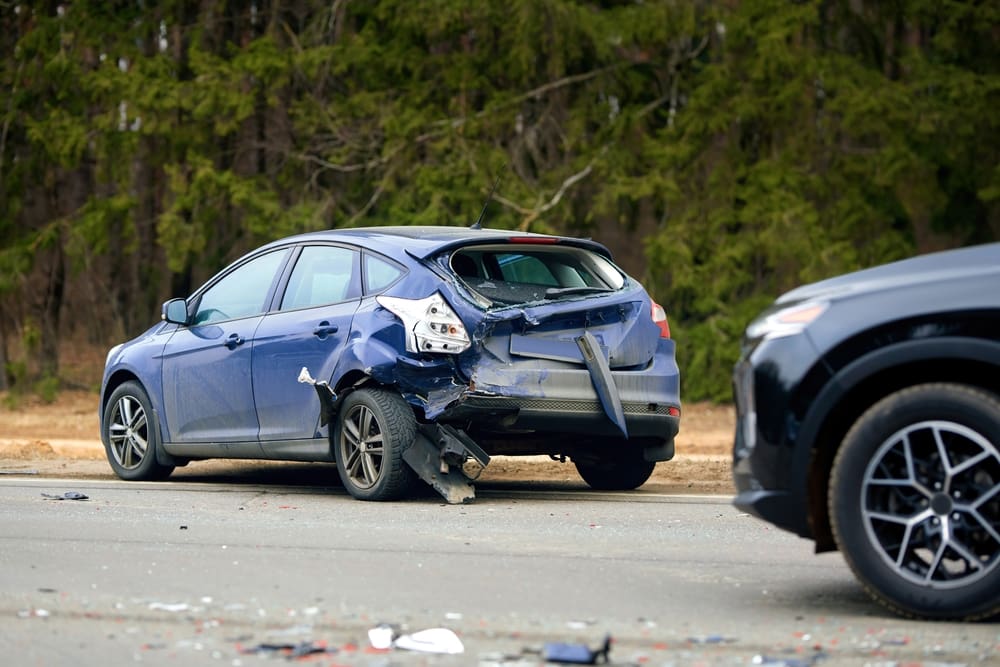
The sudden, violent jolt of a rear-end collision leaves more than just a damaged bumper. The other driver might have even apologized at the scene, but fault and financial recovery in these cases are rarely that simple. A Texas rear-end car accident lawyer protects your rights and manages your personal injury claim.
When you hire DFW Injury Lawyers, our team handles the entire claims process so you can focus on your health and recovery. Contact the Muscle 24/7 for a free consultation at 888-231-1341.
Concertar una consulta gratuita
Why Choose DFW Injury Lawyers for Your Rear-End Accident Claim
En DFW Injury Lawyers, proporcionamos la representación centrada y experimentada que necesita para seguir adelante. Construimos casos fuertes diseñados para lograr una recuperación financiera completa.
Enfoque centrado en el cliente
Your well-being is our primary measure of success. Our Texas rear-end accident lawyers handle the disruptive phone calls from insurance adjusters and manage the complex paperwork so you don’t have to.
We lift the legal burden from your shoulders, giving you the space and peace of mind to concentrate entirely on your health and recovery.
Raíces en DFW, alcance estatal
Nuestro bufete forma parte de la comunidad de Dallas-Fort Worth, y conocemos de primera mano los retos exclusivos de las carreteras locales, desde las horas punta en la I-35E hasta las intersecciones con mucho tráfico en Bishop Arts o cerca del parque Klyde Warren.
Aunque nuestras raíces están en el metroplex, servimos a todo el Estado de la Estrella Solitaria. Nuestros recursos y experiencia nos dan un alcance estatal, lo que nos permite representar a clientes en cualquier lugar de Amarillo a Beaumont a Laredo.
No tememos a las compañías de seguros
Los peritos de seguros tienen un trabajo que hacer: minimizar el pago de la compañía por su reclamación. A menudo presionan para llegar a un acuerdo rápido antes de que conozcas el alcance total de tus lesiones o solicitan una declaración grabada para encontrar incoherencias en tu historia.
Nuestro trabajo consiste en defender su caso y contraatacar. Gestionamos todas las comunicaciones con las compañías de seguros, alineando toda la correspondencia y las pruebas para presentar su reclamación de la forma más sólida posible y protegiéndole de estas tácticas.
Preparación minuciosa
While most car accident claims settle out of court, we prepare every case from the start as if it’s going to trial. This rigorous preparation signals to the opposition that we’re serious and ready to fight for the compensation you need.
Nuestro enfoque le da ventaja en las negociaciones y fortalece su posición a lo largo del proceso legal.
You get one chance to resolve your claim. Let us make it count. Call DFW Injury Lawyers at 888-231-1341 for a free, no-obligation case review.
How a Texas Rear-End Car Accident Lawyer Determines Liability
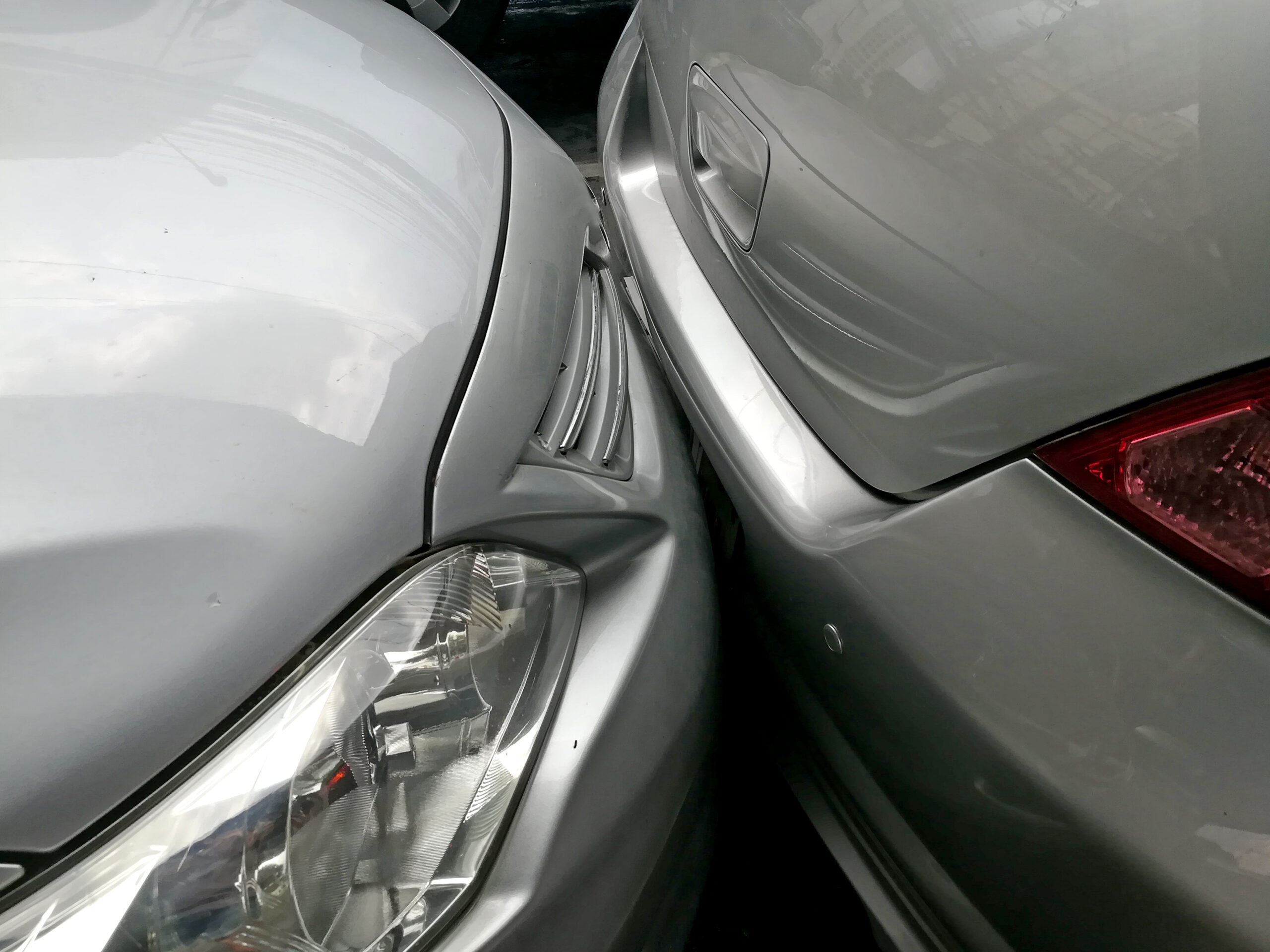
A Texas rear-end car accident lawyer determines liability by reviewing the evidence to establish which driver caused the crash. Texas law operates on a clear principle for most rear-end crashes. The driver in the back is usually at fault, but Texas law does not automatically presume negligence. That is because every driver has a duty to maintain a safe following distance and to be aware of traffic ahead.
Insurance companies often look for ways to shift blame. Your lawyer helps you present the facts to establish who was responsible for the collision.
Presunción de negligencia
Negligence is the failure to use reasonable care. Following too closely, failing to pay attention to the road, and speeding are all examples of negligent behavior that lead to rear-end accidents.
Nuestro trabajo consiste en reunir las pruebas que demuestren esta negligencia y evitar que el otro conductor eluda su responsabilidad.
The Texas Following-Distance Rule
Under Transportation Code Section 545.062, a driver following another vehicle must keep an assured clear distance, considering speed, traffic, and road conditions, so the driver can stop safely without hitting the vehicle ahead.
When a driver rear-ends you, the question becomes why they could not stop in time, and tailgating, speeding for conditions, or looking at a phone all point back to a breach of this rule.
Cuando el conductor principal puede compartir la culpa
While the rear driver is usually at fault, there are some rare exceptions. Texas follows a proportionate responsibility rule, which means you can still recover damages if you’re not found to be 51% or more at fault for the accident.
La compañía de seguros del otro conductor puede intentar argumentar que usted contribuyó al accidente para reducir lo que le pagan.
Entre los argumentos que suelen utilizar las compañías de seguros para desviar la culpa figuran los siguientes:
- Sudden reversal: The lead driver unexpectedly put their car in reverse in the flow of traffic.
- Brake checking: The lead driver intentionally and aggressively slammed on their brakes without a valid reason.
- Broken brake lights: The lead car had non-functional or faulty brake lights, which made it impossible to see that they were stopping.
- Unsafe lane change: The lead driver swerved into the lane directly in front of another driver without enough space.
- Illegal stop: The driver stopped or parked illegally in an active lane of traffic where others would not expect a stopped vehicle.
Rear-End Crashes Involving Commercial Trucks
A loaded 18-wheeler needs far more room to stop than a passenger car, and the following-distance rule applies to truck drivers just as it does to everyone else. When a truck rear-ends you, the claim can reach the trucking company and its insurer, not just the driver.
Our Texas rear-end accident lawyers move early to preserve the driver's logs, the truck's electronic data, and the company's maintenance records.
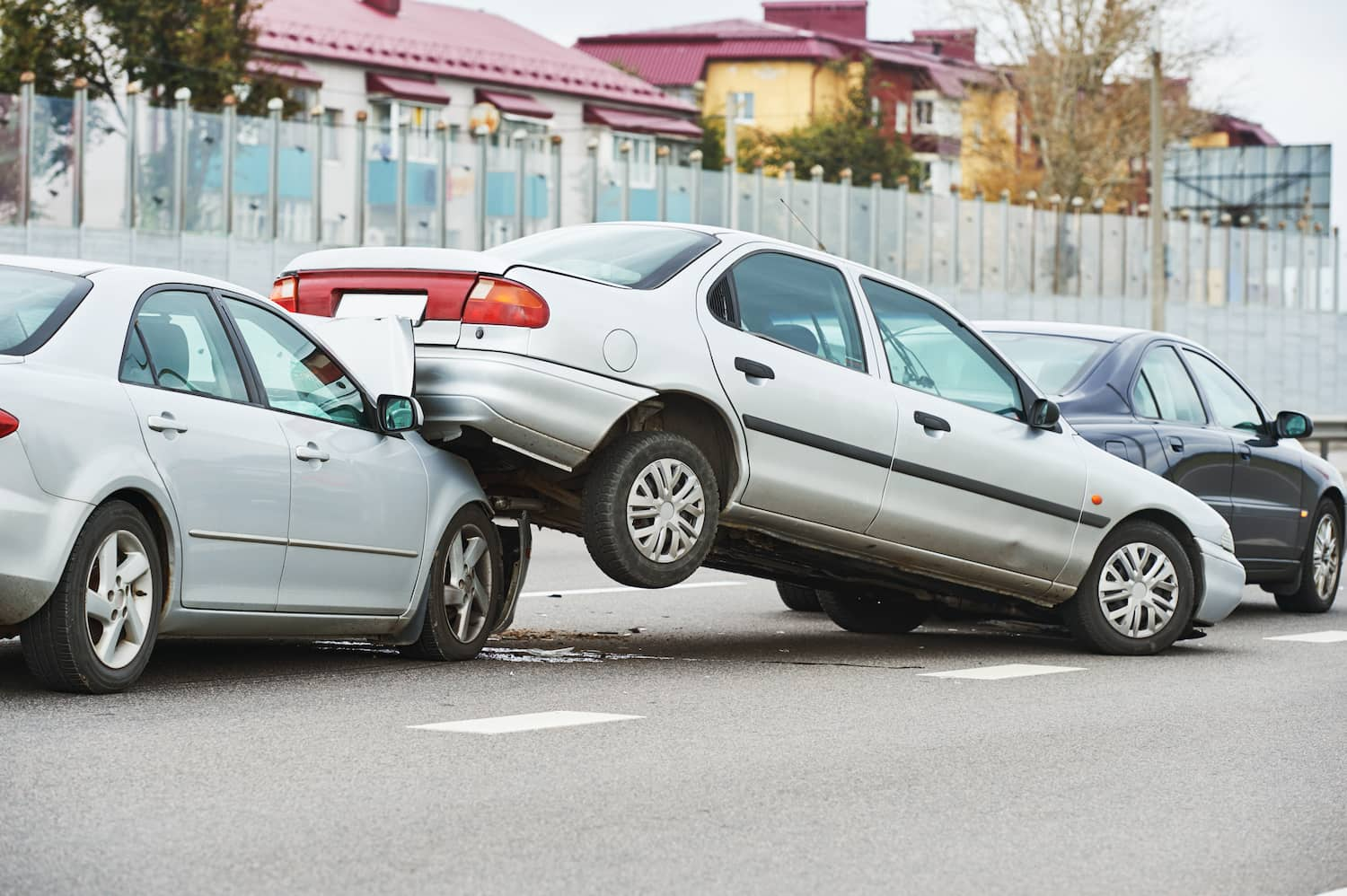
Chain-Reaction and Multi-Vehicle Rear-End Crashes
In a chain-reaction crash, more than one driver can share fault, and Texas law has the jury assign each party its own percentage of responsibility under Civil Practice and Remedies Code Section 33.003.
These cases often turn on the order of impacts, so damage patterns, witness accounts, and vehicle data help show whether you were hit once or pushed into the car ahead by a second impact.
Pruebas utilizadas para reconstruir el accidente
Para superar estos argumentos y fortificar su reclamación, aseguramos todas las pruebas disponibles para pintar un cuadro claro de lo sucedido. Una investigación exhaustiva es clave para demostrar la culpa del otro conductor.
Pruebas clave que reunimos:
- Police report: This official document provides the investigating officer’s initial impressions, citations issued, and a diagram of the scene.
- Photos and videos: Your legal team analyzes pictures of the scene of vehicle damage, including bumper damage on both cars, road conditions, and any visible injuries.
- Eyewitness testimony: We identify and interview independent witnesses who can provide an unbiased account of the collision.
- Traffic camera footage: Your lawyer acts quickly to request and secure footage from nearby TXDOT traffic cameras or building surveillance systems before it’s erased.
- Dashcam footage: Video from your car, the other vehicle, or nearby drivers can show the gap between vehicles and when the brakes engaged.
- Vehicle data: Event data recorders in many vehicles store speed and braking information from the seconds before impact.
- Medical records: Treatment records connect your injuries to the crash and show how they affect your work and daily life.
Seeking Compensation With a Texas Rear-End Car Accident Lawyer
After being rear-ended, you have the right to seek compensation for all your losses, not just the damage to your vehicle. This compensation, called damages, is divided into two main categories: economic and non-economic.
Daños económicos
Los daños económicos cubren todos los costes financieros cuantificables relacionados con sus lesiones y el accidente. Se trata de pérdidas tangibles con claras cantidades en dólares. Calculamos estos daños con precisión utilizando facturas, recibos y análisis de expertos.
Algunos ejemplos de daños económicos son
- Current medical bills: Compensation covers all costs for your treatment to date, including the emergency room, ambulance fees, hospital stays, doctor visits, and diagnostic imaging.
- Future medical care: You may receive payment for the projected expenses for ongoing physical therapy, pain management, future surgeries, and prescription medication.
- Lost wages: If you were unable to work while recovering from your injuries, you may pursue compensation for the income you lost.
- Diminished earning capacity: You may receive compensation if your injuries permanently affect your ability to perform your job or earn the same level of income as before the accident.
- Property damage: You may recover payment to cover the complete costs of repairing or replacing your vehicle.
Daños no económicos
Los daños no económicos se refieren a las pérdidas intangibles y personales que usted sufre. Estas lesiones no tienen una etiqueta de precio simple, pero son tan reales y devastadores como los costos financieros. Nuestros abogados de accidentes de coche de Texas saben cómo construir un caso que demuestra el alcance de este daño personal.
Dirección de daños no económicos:
- Pain and suffering: This compensation is for the physical pain, discomfort, and general suffering your injuries caused.
- Mental anguish: You may recover damages for the emotional toll of the accident, including fear, anxiety, depression, and sleeplessness.
- Physical impairment: You may pursue compensation if your injuries limit your ability to participate in activities you once enjoyed, from hobbies to daily tasks.
- Disfigurement: Your claim may include damages to address permanent scarring or other visible physical alterations.
In 2025, a reportable crash occurred every 59 seconds on Texas roadways, with 244,534 people injured in motor vehicle crashes. Our guide on who pays for rear-end collisions explains how the at-fault driver's insurance and your own coverage fit together.
Common Delayed-Onset Injuries in Rear-End Accidents
The force of a rear-end impact often causes injuries that aren’t immediately apparent. Adrenaline can mask pain at the scene; some conditions take hours or even days to develop.
It’s a mistake to assume you’re uninjured just because you feel "fine" right after the crash.
Seek medical help immediately following a rear-end collision. At DFW Injury Lawyers, we’ll get you a medical evaluation within 24 hours.
Latigazo cervical y lesiones de tejidos blandos
El latigazo cervical se produce cuando la cabeza se mueve violentamente hacia atrás y luego hacia delante, estirando y desgarrando los músculos, ligamentos y tendones del cuello. Los síntomas del latigazo cervical pueden no aparecer hasta pasadas 24-48 horas.
Preste atención al dolor y la rigidez de cuello, los dolores de cabeza persistentes, los mareos, la visión borrosa o el dolor en los hombros y la parte superior de la espalda.
Hernias discales
The impact of a rear-end crash can exert immense pressure on your spine. This force can cause the rubbery discs that cushion your vertebrae to rupture or shift out of place, known as a herniated disc.
Una hernia discal en el cuello o la espalda puede presionar los nervios raquídeos y provocar dolor agudo e irradiado, entumecimiento, hormigueo o debilidad en brazos y piernas. Estos síntomas pueden no aparecer inmediatamente después del accidente.
Conmociones cerebrales y traumatismos craneoencefálicos (TCE)
No es necesario golpearse la cabeza contra una ventanilla o el volante para sufrir una lesión cerebral. El mismo movimiento de latigazo cervical que lesiona el cuello puede hacer que el cerebro golpee el interior del cráneo. Esto puede provocar una conmoción cerebral o un traumatismo craneoencefálico (TCE) más grave.
Los síntomas de una LCT leve incluyen confusión, dificultad para concentrarse, problemas de memoria, sensibilidad a la luz e irritabilidad. Notifique siempre cualquiera de estos síntomas a un médico.
FAQs for Texas Rear-End Car Accident Lawyer
What should I do after a rear-end collision in Texas?
Follow all treatment plans and instructions from your doctor, and start a daily journal to document your pain levels and how your injuries impact your daily activities. Report the accident to your own insurance company, sticking only to the basic facts.
If the other driver’s insurer contacts you, politely decline to give a recorded statement until you have spoken with a Texas rear-end accident attorney.
Is Texas a no-fault state for car accidents?
Texas is an at-fault state, so the driver who caused a rear-end crash, through their liability insurance, pays for the damages. This means the person who is legally responsible for causing the accident is also responsible for paying for the damages. You must prove the other driver was at fault to recover compensation from their insurance company.
Esto difiere de los estados sin culpa, en los que primero recurres a tu propio seguro independientemente de quién haya causado el accidente.
The other driver's insurance adjuster called me. What should I do?
Usted no está obligado a proporcionar una declaración grabada a la compañía de seguros del otro conductor. Puedes declinar amablemente su petición e informarles de que tu abogado se pondrá en contacto con ellos.
You can provide basic information like your name and contact details, but don’t discuss the accident or your injuries in detail. It’s safest to let your Texas rear-end accident lawyer handle all communications with adjusters.
How does a Texas rear-end car crash attorney value my claim?
A Texas rear-end car crash attorney values your claim by totaling your financial losses, valuing your pain and mental anguish, and adjusting for how serious your injuries are, how clear the other driver's fault is, and how much insurance is available.
Do I need a Texas rear-end car accident lawyer if the other driver admitted fault?
It’s still highly advisable to have a lawyer even when the other driver admits responsibility. An admission of fault at the scene doesn’t prevent the insurance company from later denying your claim or arguing that your injuries aren't as severe as you state.
Su objetivo sigue siendo pagar lo menos posible. Un abogado documenta y persigue todos sus daños actuales y futuros para restablecer su salud financiera.
Let the Muscle Fight for Your Compensation
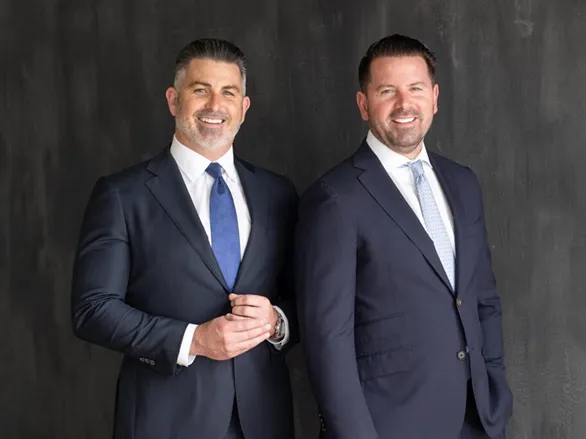
Tras el shock de un accidente, su vida puede parecer un conjunto de piezas inconexas. Nuestro propósito es realinear su camino hacia adelante. Tomamos las pruebas fragmentadas, los informes médicos y los principios legales y los estructuramos en una reclamación coherente y poderosa para la recuperación.
Take the first step toward stability and justice. Contact a Texas personal injury attorney at DFW Injury Lawyers for a free, comprehensive review of your case at 888-231-1341. You pay nothing unless you win.