A head-on collision in Texas is one of the deadliest crash types on the road, and liability usually falls on the driver who left their proper lane of travel. These wrecks matter because two vehicles strike front-to-front, so the force is far greater than in most other crashes.
The core legal idea here is negligence, which simply means a driver failed to use reasonable care. When someone crosses the centerline or drives the wrong way, that act often points straight to who is at fault in a head-on crash.
Fault is rarely the whole story, though. Texas law also decides how blame gets split and what damages you can claim, and those rules shape everything that comes next.
Key Takeaways for Head-On Collisions in Texas
- The driver who crossed the centerline or drove the wrong way is usually liable for a head-on collision in Texas.
- Texas uses proportionate responsibility, which affects your compensation if you share blame for the wreck.
- Head-on crashes often cause severe injuries, including traumatic brain injury, spinal cord damage, and multiple fractures.
- You may recover economic damages, such as medical bills and lost wages, as well as non-economic damages, such as pain and suffering.
- You generally have two years from the date of the crash to file a lawsuit.
Quick Answer: Who Is Liable for a Head-On Collision in Texas?
The driver who crossed the centerline, drove the wrong way, or left their lane is usually liable for a head-on collision in Texas.
How Do You Prove Fault After a Texas Head-On Collision?
Fault in a Texas head-on collision usually comes down to proving which driver crossed the centerline, drove the wrong way, or left their lane. That driver is often responsible, but insurers still want evidence before they accept liability.
Staying in your lane is one of the basic duties every driver owes others on the road. When a vehicle crosses into oncoming traffic, it may point to negligence. Still, a strong claim needs proof of what happened, not just the fact that the crash was severe.
In a head-on crash, investigators may examine the scene and vehicle damage to understand how the impact occurred and whether the other driver’s unsafe movement caused the collision and your injuries.
Several sources can help show who was responsible:
- Police Accident Report: The responding officer may record the crash scene, driver statements, citations, diagrams, and an initial assessment of the cause of the wreck.
- Event Data Recorder: A vehicle’s black box may show speed, braking, steering, and other data from the seconds before impact.
- Skid Mark Analysis: Marks on the road can help an expert map each vehicle’s path and identify the likely point of impact.
- Witness Statements: Neutral bystanders may confirm which vehicle drifted, crossed the centerline, or entered the wrong lane.
- Crash Reconstruction: A specialist can rebuild the sequence of events and explain how the vehicles met head-on.
Can Both Drivers Share Fault in a Texas Head-On Crash?
Both drivers can share fault in a Texas head-on crash, and the state uses a system called proportionate responsibility to divide it. This means an adjuster may argue fault during the claim, while a jury may assign each driver a percentage of blame if the case reaches trial.
Your own share directly reduces what you take home, so even a small percentage matters. A crucial part of this law is the 51% bar rule. You recover nothing if you’re found more than half at fault.
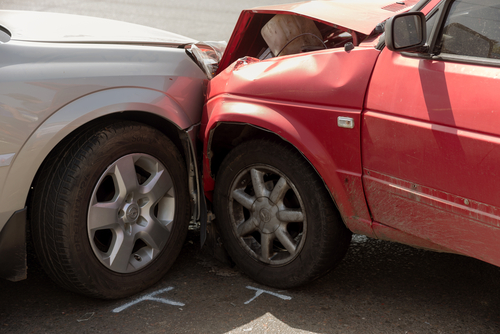
Common Causes of Head-On Collisions in Texas
Most head-on collisions in Texas happen when a driver drifts, turns, or tries to pass another car when there’s oncoming traffic. These crashes often occur on two-lane rural highways, undivided roads, and entrance or exit ramps where a wrong turn can send a vehicle against the flow of traffic.
The root problem is usually a lapse in attention, judgment, or control. A serious front-end collision rarely happens without a reason. The cause often points to the evidence needed to prove fault.
The leading causes include:
- Distracted Driving: A driver looking at their phone or talking with a passenger can drift across the centerline without noticing the danger.
- Impaired Driving: Alcohol or drugs can slow reaction time and make it harder to stay in the proper lane.
- Driver Fatigue: A tired driver may nod off and veer into oncoming traffic within seconds.
- Improper Passing: Passing on a two-lane road can put a vehicle directly in the path of approaching traffic.
- Poor Road Conditions: Faded lane lines, sharp curves, construction zones, or bad weather can make lane control harder.
Severe Injuries Caused by Head-On Collisions
Head-on collisions often cause traumatic brain injuries (TBIs), spinal injuries, broken bones, internal bleeding, whiplash, and other serious harm. These injuries happen because both vehicles may be moving toward each other when they collide, sending force through the people inside.
The severity of these wrecks is what sets them apart. Even a moderate-speed front-end collision can lead to surgery, long rehabilitation, or permanent physical limits. That’s why it can be risky to settle before doctors understand your full diagnosis and future medical needs.
Common serious injuries include:
- Traumatic Brain Injury: A blow to the head can cause lasting problems with memory, focus, balance, sleep, and mood.
- Spinal Cord Injury: Damage to the spine may lead to weakness, chronic pain, numbness, or permanent paralysis.
- Multiple Fractures: The impact can break bones in the legs, arms, ribs, hips, face, or pelvis.
- Internal Bleeding: Blunt force can damage organs or blood vessels.
- Whiplash: The sudden jolt can strain the neck and back, causing pain that may last for months.
Some head-on crash injuries, like whiplash and soft-tissue injuries, don’t fully show themselves at the scene. Prompt medical care and steady follow-up records can protect your health while also supporting your Texas head-on collision claim.
A treatment gap gives an insurer room to argue your injuries were minor or came from something else.
What Compensation Can You Recover After a Head-On Accident in Texas?
After a head-on car crash in Texas, compensation may cover medical treatment, lost income, reduced earning ability, pain, daily limitations, and vehicle damage. You can recover these losses when another driver’s negligence caused the crash and your injuries.
A fair claim looks beyond the bills you already have. A serious injury can affect your work, health, and daily life for years, so your claim needs to account for future care and long-term limits, not just today’s expenses.
Recoverable damages often include:
- Medical Expenses: This compensation covers past care and future medical costs, including surgery, therapy, medication, follow-up visits, and long-term treatment.
- Lost Wages: You can claim the pay you missed while you were hurt and unable to work.
- Lost Earning Capacity: If the injury limits your ability to earn the same kind of living, you may recover compensation for the reduced ability to earn.
- Pain and Suffering: These damages address physical pain, daily hardship, emotional distress, and loss of enjoyment of life.
- Property Damage: You can recover the cost to repair or replace your vehicle and other damaged property.
Every case is unique, so outcomes depend entirely on the specific facts of your accident, the nature of your injuries, and the insurance coverage involved. Since no two head-on collisions are exactly the same, be wary of any lawyer who promises a specific dollar amount before they’ve thoroughly reviewed the evidence.

How a Texas Car Accident Lawyer Builds the Evidence After a Head-On Crash
A Texas car crash lawyer builds a head-on crash claim by finding proof that shows where each vehicle was at, how the impact happened, and why the other driver crossed into danger. That evidence matters because insurers may still dispute fault even when the crash seems obvious.
Securing the Crash Scene Evidence
The road can tell part of the story before memories fade or vehicles are moved. Skid marks, gouge marks, debris fields, lane markings, final resting positions, and vehicle damage can help show the point of impact and the direction each car was traveling.
Photos, video, and measurements from the scene may also support a crash reconstruction. In a serious Texas head-on collision, those details can be the difference between a clear liability case and a blame-shifting dispute.
Finding Witnesses and Video
Witnesses can confirm which driver drifted, passed unsafely, turned too wide, or drove the wrong way. Your lawyer can work to identify those witnesses early and preserve their statements before details become harder to remember.
Video can be just as important. Nearby business cameras, traffic cameras, dashcams, doorbell cameras, and surveillance footage may show the moments before the crash or confirm how the vehicles entered the roadway.
Preserving Vehicle Data
Many vehicles contain electronic data that may show speed, braking, steering, throttle use, and seat belt information from the seconds before impact. That data can help explain whether a driver tried to avoid the collision or continued straight into oncoming traffic.
An attorney can send preservation letters and take steps to prevent key evidence from being lost, erased, or overwritten. That pressure matters because you’re not likely to get black box data or vehicle records just by asking the other driver’s insurer.
Connecting the Evidence to Your Injuries
A strong claim doesn’t stop at proving who crossed the centerline. Your lawyer also needs to connect the crash to your medical treatment, lost income, physical limits, and future care needs.
Medical records, expert opinions, wage documents, and treating doctor notes can help show how the head-on collision changed your life. That full record gives the insurer a clear picture of both fault and damages.
Filing Before the Deadline
In Texas, car crash victims usually have two years to file a personal injury lawsuit. A lawyer tracks that deadline while settlement talks continue.
Filing on time protects your legal options. It also keeps the insurer from using delay as leverage while you’re still being treated or waiting to understand the full impact of your injuries.
FAQ for Head-On Collisions in Texas
What if the Other Driver Says You Caused the Head-On Crash?
A driver can blame you after a head-on crash, but their word alone doesn’t decide fault. Cases need evidence such as vehicle damage, lane position, skid marks, witness statements, police reports, and electronic data from the vehicles.
Can I Still Get Compensation if I Was Partly at Fault for the Head-On Collision?
You can still recover compensation if you were partly at fault, as long as your share of blame is 50% or less. However, Texas reduces your recovery by the percentage of fault you have.
What Should I Do After a Head-On Crash in Texas?
Your first steps after a head-on crash are to get medical care and avoid giving details of the crash to an insurance adjuster. Prompt treatment helps connect your injuries to the collision. Contacting a lawyer quickly is the best way to protect your rights.
How Is Pain and Suffering Calculated in a Texas Car Crash Claim?
Pain and suffering doesn’t have a fixed formula in Texas. The value depends on the severity of your injuries, how long recovery takes, and how the crash affects your daily life. Medical records, doctor notes, treatment history, photos, testimony from people close to you, and your own account of daily pain can all support this part of the claim.
Does Texas Have a Deadline for Filing a Car Crash Lawsuit?
After a head-on collision, you generally have two years from the crash date to file a lawsuit in Texas. Waiting too long can cost you the right to sue, even if the other driver was clearly at fault.
Get Clear Answers After a Texas Head-On Crash

A head-on crash leaves you with urgent questions about fault, medical care, insurance, and what comes next. DFW Injury Lawyers can review the facts, explain your options, and help you understand what your personal injury claim may involve.
Call the Muscle today at (888) 231-1341 or use our online form to get started for free.