When your car is declared a total loss, the insurance payout is usually based on its actual cash value (ACV), which is the car’s market value before the wreck. You can dispute a low valuation with comparable local listings and your own evidence.
Securing a fair outcome depends on understanding this process and protecting your financial interests.
Key Takeaways for Totaled Car in Dallas
- An insurer may declare a vehicle a total loss when the cost to repair it is close to or greater than its pre-accident value.
- An insurance company's first settlement offer for your vehicle's value is a starting point for negotiations, not a final number.
- You have the right to dispute the insurer's valuation by providing your own evidence of your car's worth.
- If you still have a loan, the insurance settlement goes to your lender first, and you remain responsible for any remaining balance.
- You may have the option to keep your vehicle, but it may receive a salvage title or related title brand, which affects its future insurability and value.
Quick Answer: What Happens When Your Car Is Totaled in Texas?
After your car gets totaled in Texas, the insurance payout is generally based on its actual cash value—the car’s market value right before the crash—not the amount you still owe. If the offer looks low, you can challenge it with comparable local listings, maintenance records, and other proof of the car’s condition.How Do Insurers Decide a Car Is a Total Loss in Texas?
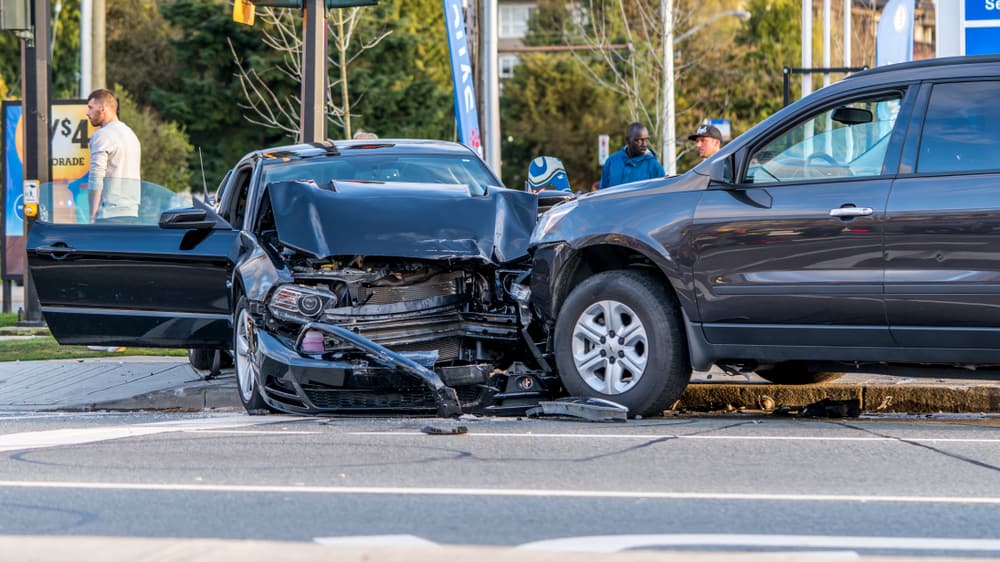
Insurance companies usually declare a car a total loss when the cost to repair it is close to or greater than its actual cash value before the crash. The adjuster compares the repair estimate with the vehicle’s pre-accident value and can also consider its salvage value.
For instance, if your car was worth $15,000 before a wreck on the Stemmons Freeway and the estimated repairs approach or exceed that amount, the insurer could classify it as a total loss.
In some cases, the insurer can reach that decision sooner if the repair cost plus the vehicle’s salvage value equals or exceeds its ACV.
What Is Actual Cash Value?
Actual cash value is the fair market value of your vehicle immediately before it was damaged. Insurance adjusters calculate this value to set the settlement amount for your property damage claim, and how property damage claims work in Texas shapes what you can expect from the payout.
Many people confuse ACV with what they paid for the vehicle or the amount they still owe on their loan. The ACV is strictly about the car’s market worth, which accounts for depreciation over time.
Several key factors shape how insurance values a totaled car and sets its ACV:
- Vehicle Specifications: The year, make, and model form the baseline for the car’s value.
- Mileage: Lower mileage generally increases a vehicle’s ACV, while higher mileage decreases it.
- Overall Condition: The adjuster assesses the interior, exterior, and mechanical state of the car before the accident.
- Recent Upgrades: New tires or significant upgrades completed shortly before the crash can support a higher valuation.
Can You Challenge a Low Total-Loss Offer in Dallas?
You can challenge a low total-loss offer by presenting evidence that your car was worth more before the crash. Comparable local listings, pre-accident photos, detailed service records from your mechanic in the Bishop Arts District, and proof of recent upgrades can all support a higher valuation.
You can also research prices for similar vehicles in the Dallas market to show what it would cost to replace yours locally. Make sure the vehicles match yours as closely as possible in year, make, model, mileage, trim, options, and condition.
If the insurance company still refuses to adjust the offer, check whether your policy allows you to use the appraisal process. You and the insurer generally hire separate appraisers, who select an umpire to resolve any disagreement about the amount of the loss.
You’re typically responsible for your appraiser’s fee and half of the umpire’s cost. A detailed valuation from a qualified appraiser can provide stronger support for your position. The appraisal process addresses disagreements over the amount of the loss, not disputes about whether the policy covers the claim.
What Are Your Options After Your Car Is Totaled in Dallas?
Once you and the insurer agree on the ACV, you can either accept the settlement and give up the vehicle or keep the damaged vehicle for a reduced payment. The right choice depends on your financial situation, including whether you have a loan and whether you want to repair the car.
Accepting the ACV Settlement
The most straightforward option is to accept the ACV settlement. When you choose this path, ownership of the vehicle generally transfers to the insurance company. The insurer then sends payment for the agreed-upon ACV, less any deductible that applies under your policy.
Once the transfer is complete, the insurance company takes possession of the wrecked vehicle. It will typically sell the car for parts or scrap at a salvage auction.
This resolves the payment for the vehicle itself, although other parts of the property damage claim may still need to be addressed.
Keeping Your Totaled Car
You can choose to keep your totaled car. If you select this option, the insurance company subtracts the vehicle’s salvage value—the amount it could have received by selling the car—from your settlement. Keeping the vehicle can create additional title, repair, and insurance issues.
Your next steps can include:
- Checking the Title Status: The vehicle may receive a salvage or owner-retained brand, depending on its classification. A vehicle designated as nonrepairable can’t be retitled or registered for road use.
- Completing the Repairs: A salvage vehicle must be rebuilt before it can legally return to the road. Keep receipts and records for the parts and repairs used during that process.
- Meeting Rebuilt-Vehicle Requirements: Before driving the vehicle again, you must complete the applicable inspection and titling requirements through the Texas Department of Motor Vehicles.
- Considering Future Insurance and Resale: A salvage or rebuilt history can make the vehicle harder to insure or sell later.
What Insurance Gaps Can Follow a Total-Loss Claim?
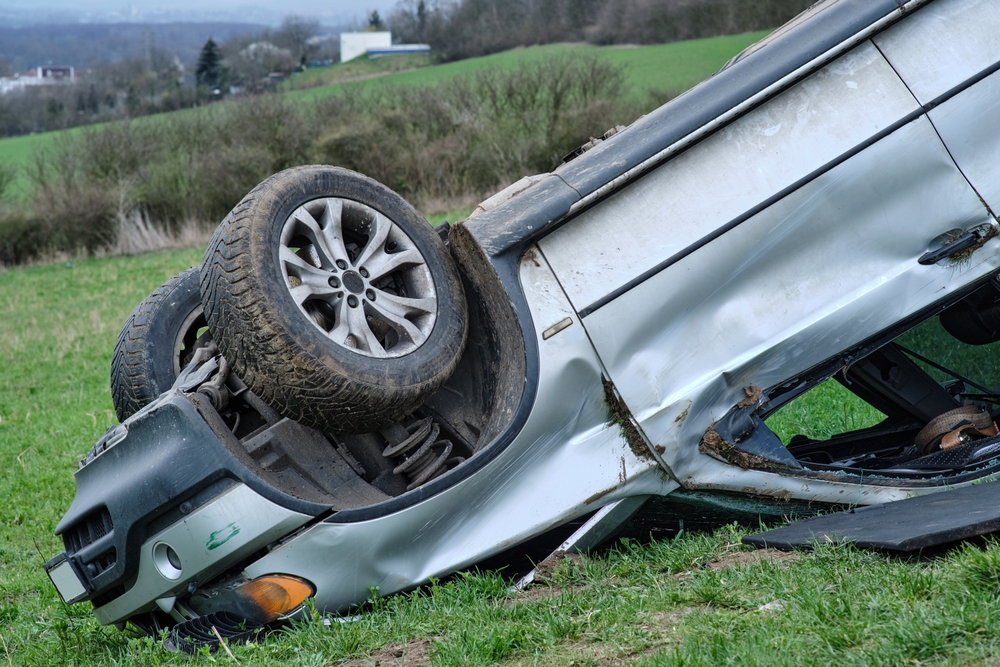
A standard settlement for a totaled car after a wreck in Dallas doesn’t always cover every expense. You could still face a remaining loan balance or need temporary transportation while the claim is pending. Certain optional coverages can help with these financial gaps.
How Does Gap Insurance Work?
Gap insurance can help pay the difference when your vehicle’s ACV settlement is less than the amount you still owe on the loan. This often happens with newer cars that depreciate quickly. Without gap coverage, you remain responsible for any loan balance that the total-loss payment doesn’t cover.
For example, if your car’s ACV is $20,000 but you still owe $23,000, gap insurance could help cover some or all of the remaining $3,000. The actual payment depends on your policy, which can exclude items such as overdue payments, finance charges, warranty costs, or a deductible.
What Does Rental Reimbursement Cover?
Rental reimbursement coverage can help pay for temporary transportation while your vehicle is being repaired after a covered accident. Some policies also cover taxis or ride-hailing services.
Review your policy for its specific terms. Rental reimbursement coverage commonly includes a daily limit and an overall maximum. Knowing those limits helps you manage transportation expenses after a crash.
What if the Other Driver Has No Insurance?
Uninsured/Underinsured Motorist (UM/UIM) coverage can help when the at-fault driver has no insurance, too little insurance, or leaves the scene. The protection available depends on whether your policy includes UM/UIM property-damage coverage, bodily-injury coverage, or both.
After a serious wreck, UM/UIM coverage can apply to several types of losses:
- Vehicle Damage: UM/UIM property-damage coverage can help repair or replace your car when the at-fault driver has no insurance or insufficient coverage.
- Medical Bills: The bodily-injury portion can help cover medical expenses for you and your passengers.
- Lost Income: Bodily injury coverage can apply to income lost because your injuries prevent you from working.
- Other Injury-Related Losses: Depending on the claim, coverage can also apply to pain and suffering and other damages tied to your injuries.
Texas insurers must offer UM/UIM coverage, but you can reject it in writing. Check your declarations page or policy before assuming it is available.
How a Dallas Auto Accident Lawyer Can Help After Totaling Your Car
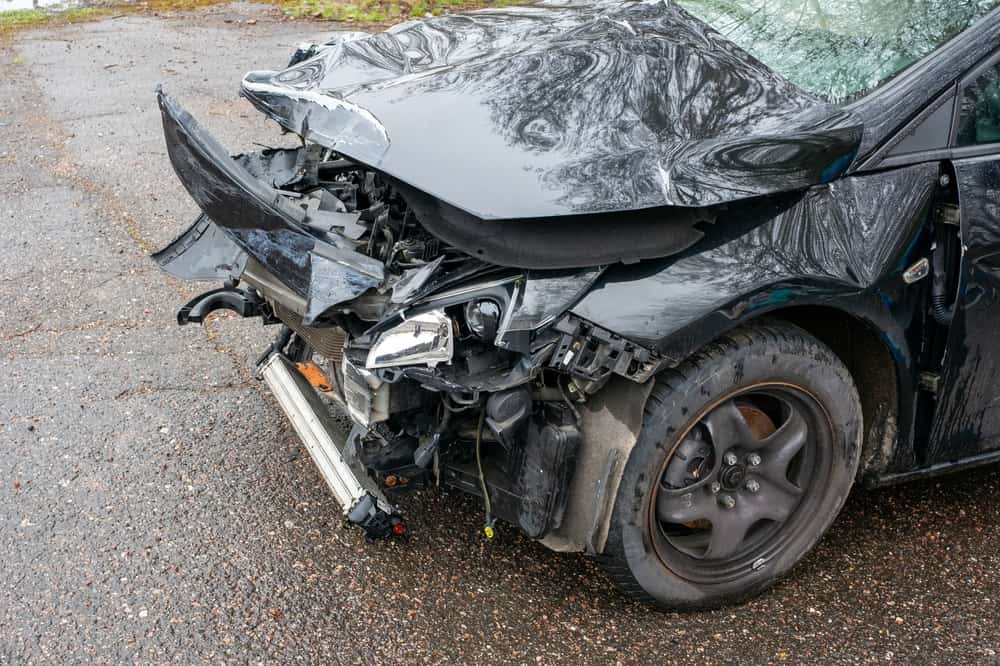
A Dallas auto accident lawyer can handle insurance negotiations, challenge a low vehicle valuation, and pursue compensation for injuries and other losses resulting from the crash. This support can be especially valuable when the property damage and personal injury portions of the claim overlap.
Your lawyer assists your claim in several ways:
- Valuing Your Vehicle: A lawyer independently assesses your car's ACV, using market research and expert appraisers to challenge an insurer's low offer.
- Managing Communications: Your lawyer handles all calls, emails, and document requests from insurance adjusters, shielding you from aggressive tactics.
- Proving Fault: Your legal team investigates the accident to establish the other driver's liability, gathering police reports, witness statements, and traffic camera footage from intersections like McKinney Avenue and Lemmon Avenue.
- Resolving Loan Deficiencies: Your attorney can explore all available insurance coverages, including gap policies, to address any shortfall on your auto loan.
When the insurer digs in on a low number, a Dallas car accident lawyer can dispute a lowball total-loss offer and press for the car's full pre-crash value.
Securing Compensation for All Your Losses
A serious collision in Dallas that results in a totaled car often involves more than just property damage. You may have significant medical bills from your treatment and lose income from time away from work.
Your Texas personal injury attorney pursues compensation for these additional damages, including physical pain and suffering as well as impairment, as part of your overall claim.
Your legal team builds a case that accounts for every loss you have suffered, not just the loss of your vehicle.
FAQ About Totaled Cars in Dallas
Who Pays for Towing and Storage Fees After a Car Crash in Dallas?
The at-fault driver’s insurance company may pay reasonable towing and storage fees after it accepts liability for the crash. However, you must take reasonable steps to limit those charges, so leaving your vehicle in a storage lot longer than necessary could make some of the fees harder to recover.
Your own collision coverage may also pay reasonable towing and storage costs, subject to your policy terms and deductible.
How Do Insurers Determine Whether a Car Is a Total Loss?
An insurer generally declares a car a total loss when repairing it would cost about as much as or more than the vehicle was worth before the crash. The adjuster compares the repair estimate with the car’s actual cash value and may also consider its salvage value.
Texas doesn’t impose a single universal percentage that every insurer must use for every claim.
How Long Does an Insurance Company Have To Process a Claim in Texas?
For a claim under your own policy, the insurer generally has 15 days to acknowledge the claim, begin its investigation, and request the information it needs. If it can’t make a coverage decision after receiving the required information, it may extend the decision period by up to 45 days, but it must explain why more time is necessary.
What if You Still Owe Money on the Car Loan?
If you still owe money on the vehicle, the lender usually has the right to be paid from the total-loss settlement. When the payout is less than the loan balance, you remain responsible for the difference.
Gap insurance or a gap waiver may cover some or all of that shortfall, depending on its terms and exclusions.
Can You Get a Rental Car After Your Car Is Totaled in Dallas?
You may receive a rental car through your own rental reimbursement coverage or as part of a claim against an at-fault driver’s insurer. The available period depends on the policy, liability decision, daily limit, overall maximum, and how quickly the total-loss offer is made.
Take Action With DFW Injury Lawyers

A totaled car can leave you facing a low valuation, transportation costs, and injury-related losses at the same time. DFW Injury Lawyers can handle the insurance process, challenge an unfair offer, and pursue the compensation available for the full impact of the crash.
Call (888) 231-1341 or fill out our online form to connect with our Dallas car accident lawyers and learn more about how we can help in a free case evaluation.