Motorcycle riders often take every safety precaution they can. Most wear helmets, keep headlights on during the day, and maintain safe speeds. Yet after a crash, many still find themselves judged unfairly. Courts, juries, and insurance companies sometimes assume riders caused their own injuries simply because they were on a motorcycle. These common biases motorcyclists face in Texas injury cases can make it harder for injured riders to secure fair treatment, even when another driver’s negligence caused the wreck.
Motorcycle accidents in Dallas, Arlington, and other parts of Texas often lead to serious injuries and difficult recoveries. When bias enters the equation, it can affect everything, from insurance negotiations to the outcome of a trial. Having a knowledgeable Texas motorcycle accident lawyer by your side helps ensure your story gets told accurately.
Key Takeaways: Biases Against Bikers in TX Injury Cases
- Motorcyclists in Texas face prejudicial assumptions that they are reckless or at fault, even when evidence shows otherwise
- Anti-motorcycle bias can significantly reduce compensation amounts or lead to wrongful denial of valid injury claims
- Texas law does not distinguish between motorcycle accidents and other vehicle accidents when determining negligence and liability
- Understanding how comparative negligence works under Texas Civil Practice and Remedies Code § 33.001 is crucial for protecting your right to compensation
- Documentation, witness testimony, and expert evidence are essential tools for overcoming bias and proving the true cause of your accident
What Is Anti-Motorcycle Bias?
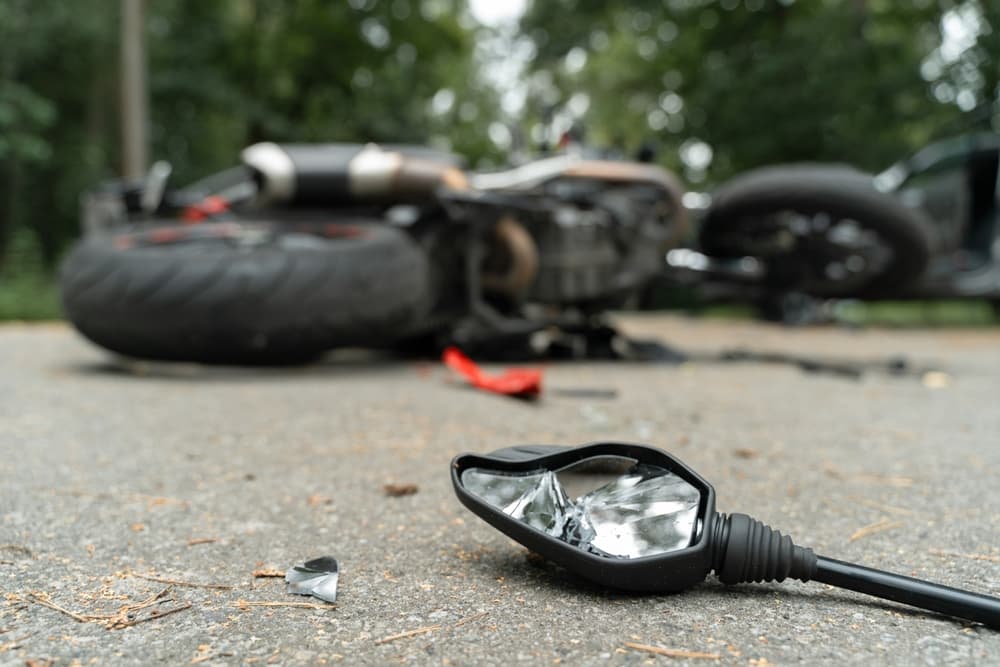
Bias against motorcyclists happens when others make unfair assumptions about a rider’s behavior or responsibility for a crash. These beliefs often have no basis in fact, but they can shape the attitudes of police officers, insurance adjusters, and jurors.
How Bias Manifests in Texas Injury Cases
In many cases, officers may write reports that subtly imply the rider acted carelessly. Insurance companies sometimes assume the motorcyclist was speeding or weaving through traffic, even without evidence. When these assumptions influence claims adjusters, settlement offers drop, or valid claims get delayed.
The Impact on Settlement Negotiations and Trial Outcomes
When insurers or jurors believe a rider acted irresponsibly, they often undervalue legitimate claims. These biases can lead to smaller settlements or verdicts, regardless of the evidence. Lawyers must work to show that the motorcyclist acted responsibly and that another driver’s negligence caused the crash.
Common Stereotypes About Motorcyclists
Negative stereotypes continue to influence how others view bikers:
- Reckless thrill-seekers: Many assume riders take unnecessary risks.
- Rule breakers: Some believe motorcyclists frequently ignore traffic laws.
- Hard to insure: Insurers often label bikers as high-risk, even when they have clean driving records.
These misconceptions often create hurdles when riders seek fair treatment.
Why Do Insurance Companies and Juries Hold Biases Against Motorcyclists?
Bias doesn’t appear out of nowhere. It often comes from cultural portrayals, misconceptions about visibility, and assumptions about risk.
The Reckless Rider Stereotype
Movies and media sometimes depict motorcyclists as daredevils or gang members. This image influences how some jurors and insurers view real riders, even though most are responsible commuters, parents, or professionals who follow traffic laws.
Visibility and Vulnerability Misconceptions
Drivers often say they didn’t see a motorcycle before a crash. That statement can quickly turn into blame. Some people think motorcyclists make themselves hard to see, even when they wear reflective gear and ride with headlights on. In reality, many drivers simply fail to look carefully for smaller vehicles.
Cultural Attitudes Toward Motorcyclists in Texas
In cities like Fort Worth or Plano, where car culture dominates, motorcyclists sometimes get seen as outsiders. These attitudes can lead people to assume riders bring danger onto themselves, even when they’re the ones following the law.
What Are the Most Common Biases Motorcyclists Face?
Many people automatically think a motorcyclist was speeding. Insurance adjusters often use this assumption to reduce settlement offers, even when data or witnesses say otherwise.
Claims That Motorcyclists Are Hard to See
Drivers sometimes claim they never saw the motorcycle. While that might sound like an excuse, insurance companies use it to argue that the rider bears some responsibility for not being visible enough.
Blaming Riders for Not Wearing Protective Gear
Even when protective gear wouldn’t have prevented an injury, insurers might argue that the rider failed to protect themselves. Texas law doesn’t allow helmet use or lack thereof to automatically determine liability.
Accusations of Lane Splitting or Improper Lane Usage
Texas law doesn’t permit lane splitting, but drivers sometimes falsely accuse riders of doing it after a crash. These claims often arise when the driver drifted into the rider’s lane or made an unsafe lane change.
How Does Texas Law Protect Motorcyclists' Rights?
Texas law treats motorcycles as vehicles with equal rights and responsibilities on the road.
Equal Treatment Under Texas Transportation Code
Motorcyclists must follow the same traffic laws as cars, but they also have the same legal protections. Any bias that implies otherwise goes against state law.
Texas Transportation Code § 545.060: Motorcyclists' Right to Full Lane Use
Texas law gives motorcyclists the full use of a lane. Drivers cannot crowd them or pass within the same lane. When another vehicle violates this rule, it often leads to serious accidents.
Helmet Law Requirements Under Texas Transportation Code § 661.003
Texas requires riders under 21 to wear helmets. Riders 21 and older can choose not to if they complete a safety course and carry proper insurance. Lack of a helmet doesn’t automatically prove fault, though insurers often try to suggest otherwise.
How Modified Comparative Negligence Applies (Texas Civil Practice and Remedies Code § 33.001)
Texas uses a modified comparative negligence rule. If a rider is found more than 50% responsible for the crash, they can’t recover damages. When bias unfairly increases a rider’s fault percentage, it directly affects compensation.
How Do Biases Affect Your Compensation in a Texas Motorcycle Accident Case?
Bias affects not only opinions but also the outcome of financial recovery.
Reduced Settlement Offers
Insurance adjusters often assume a motorcyclist shared blame for a crash and use that assumption to lower settlement amounts. This tactic unfairly shifts responsibility away from negligent drivers.
Impact on Jury Verdicts
Juries may subconsciously believe the rider took unnecessary risks, even when evidence proves otherwise. This can lead to lower verdicts or denial of claims altogether.
Wrongful Denial of Claims
When insurers rely on stereotypes instead of facts, they sometimes deny valid claims. Riders must then pursue legal action to get fair consideration.
Loss of Non-Economic Damages
Bias may lead juries to undervalue non-economic losses like pain or loss of enjoyment. A skilled attorney helps humanize these impacts through testimony and evidence.
What Evidence Can Combat Bias in Motorcycle Injury Cases?
Strong evidence often turns the tide in a biased case.
Police Reports and Accident Reconstruction
Accident reconstruction specialists can analyze skid marks, debris patterns, and vehicle damage to show what really happened, not what stereotypes suggest.
Witness Testimony
Neutral witnesses who saw the collision can clarify details that contradict the reckless biker image.
Video Footage and Photographic Evidence
Traffic cameras, dashcams, and surveillance footage often reveal whether the driver failed to yield or made a sudden turn.
Medical Records and Expert Testimony
Detailed medical documentation links injuries directly to the crash. Expert testimony can explain the physics of the collision to counter claims that the rider caused their own harm.
Proof of Proper Licensing and Safety Training
Presenting a valid motorcycle license, proof of training, and safety gear purchases shows the rider’s commitment to lawful and cautious riding.
How Can You Prove the Other Driver Was at Fault?
Texas law holds negligent drivers responsible for the harm they cause.
Establishing Negligence Under Texas Law
Negligence occurs when someone fails to use reasonable care, leading to injury. In motorcycle cases, that might include distracted driving, unsafe lane changes, or failing to yield.
Common Driver Errors That Cause Motorcycle Accidents
Drivers often cause crashes by turning left in front of motorcycles, merging without checking blind spots, or following too closely.
Using Texas Traffic Laws to Demonstrate Liability
Traffic laws define clear standards for safe driving. When a driver violates these rules, such as crossing into another lane or speeding, it strengthens the rider’s case.
Overcoming Failure to See Defenses
Lawyers often counter this excuse by showing that the driver had a clear line of sight and simply failed to look carefully.
What Role Does Comparative Negligence Play?
Comparative negligence determines how responsibility gets divided among parties after an accident.
Understanding the 51% Bar Rule in Texas
If a rider is found 51% or more at fault, they can’t recover damages. If they’re less than 51% at fault, their compensation decreases by their percentage of fault.
How Defense Attorneys Use Bias to Increase Your Fault Percentage
Defense lawyers often use stereotypes to suggest the rider acted recklessly. Countering that requires strong evidence, witness testimony, and sometimes expert analysis.
Strategies to Minimize Assigned Fault
Detailed accident reconstruction, credible witnesses, and clear proof of safe riding behavior help lower the fault percentage assigned to the motorcyclist.
How Does Failure to Wear a Helmet Affect Your Case?
Helmet use is often misused by insurance companies to question liability.
Texas Helmet Law Exceptions
Riders over 21 who meet the requirements don’t have to wear helmets. Lack of a helmet doesn’t automatically affect fault.
When Helmet Use Is Relevant to Your Injuries
If a head injury could have been less severe with a helmet, an insurer might argue that damages should be reduced. However, this depends on medical and factual evidence.
Preventing Improper Use of Helmet Evidence
Attorneys often file motions to limit or exclude irrelevant helmet evidence that unfairly sways juries against riders.
What Should You Do Immediately After a Motorcycle Accident to Protect Your Case?
What you do after a crash can shape your claim’s outcome.
Document the Scene Thoroughly
Take photos of vehicles, skid marks, and surroundings. These details help reconstruct the crash later.
Seek Immediate Medical Attention
Some injuries, like concussions or internal trauma, don’t appear right away. Prompt medical care links your condition directly to the crash.
Avoid Giving Recorded Statements to Insurance Companies
Adjusters may twist your words to imply partial fault. It’s best to let your attorney handle communication.
Preserve Evidence of Your Motorcycle's Condition
Keep damaged gear, helmets, or parts. These items can prove impact points and crash severity.
Contact an Experienced Motorcycle Accident Attorney
Legal guidance helps protect your rights from the start and ensures all evidence gets preserved properly.
How Our Attorneys Can Help
DFW Injury Lawyers helps Texas motorcyclists overcome unfair assumptions and hold negligent drivers accountable.
We Understand the Unique Challenges Motorcyclists Face
Our team recognizes how bias influences claims and knows how to address those prejudices directly.
We Gather Compelling Evidence to Counter Bias
We collect video footage, eyewitness statements, and accident reconstructions to demonstrate exactly what happened.
We Negotiate Aggressively with Insurance Companies
We challenge adjusters who rely on assumptions instead of evidence, ensuring every aspect of your losses is considered.
We're Prepared to Take Your Case to Trial
If the insurance company refuses to take responsibility, we build a strong courtroom case that tells your story clearly and confidently.
We Fight for Full and Fair Compensation
We work to help you pursue compensation for lost income, medical expenses, future care, and the lasting impact on your daily life.
Frequently Asked Questions: Biases Against Motorcyclists
Can I still recover compensation if I wasn't wearing a helmet at the time of my accident?
Yes, you may still pursue compensation. Texas law doesn’t automatically assign fault based on helmet use, though insurers may attempt to use it against you.
What if the other driver says they didn't see me?
That statement is common, but it doesn’t excuse negligence. Drivers must look for all vehicles, including motorcycles, before turning or merging.
How long do I have to file a motorcycle accident claim in Texas?
You generally have two years from the accident date to file. Missing this deadline can prevent recovery entirely.
Will my case be worth less because I ride a motorcycle?
Bias may influence perceptions, but evidence and experienced legal advocacy help ensure your claim reflects the true impact of your injuries.
What if I was partially at fault for the accident?
You can still pursue compensation as long as you weren’t more than 50% at fault. The amount you recover decreases based on your percentage of responsibility.
Our Texas Motorcycle Accident Lawyers Are Ready to Help
Motorcycle accident claims in Texas require fast action, especially when bias threatens your right to fair treatment. DFW Injury Lawyers provides determined legal representation for injured riders throughout Dallas, Fort Worth, Arlington, and surrounding areas. Our Texas personal injury attorneys understand the prejudice motorcyclists often face and work hard to set the record straight.
If someone else’s negligence caused your motorcycle crash, contact DFW Injury Lawyers for a free, no-obligation case evaluation.

Kevin L. Edwards
Founder
Attorney Kevin Edwards is a co-founder of DFW Injury lawyers. Over the last 15 years, Mr. Edwards has dedicated his practice to helping those who have been injured or harmed by the negligence, malfeasance, and/or recklessness of others.
Author's Bio