Fort Worth’s 2025 Vision Zero Safety Action Plan reviewed 68,936 reported crashes from 2019 through 2023. Of those, 2,589 crashes killed or seriously injured someone. Those numbers show why location matters.
Serious crashes in Fort Worth are not spread evenly across the city. They often cluster around high-speed corridors, busy intersections, freeway merges, and roads where drivers, pedestrians, cyclists, and commercial traffic all compete for space.
Fort Worth car accident statistics can help show where crashes happen most, why certain roads carry a higher risk, and what patterns appear again and again in local crash data.
Key Takeaways for Fort Worth Car Accident Statistics
- I-35W and Loop 820 routinely register some of the most dangerous driving zones across the entire Tarrant County region.
- Municipal crash records consistently show that massive interstate merge points produce the highest frequency of high-speed commercial collisions.
- Texas courts apply a modified comparative negligence standard, making initial scene documentation highly critical for preserving your recovery value.
- Commercial insurance adjusters frequently use historical regional safety logs to contest the actual cause of a roadway dispute.
- Engaging an attorney directly prevents claims departments from weaponizing complicated intersection layouts to shift blame away from their policyholders.
Quick Answer: Where Do Crashes Happen Most In Fort Worth?
Many serious crashes in Fort Worth happen on high-volume highways like I-35W, Loop 820, I-30, and I-20, where speed, congestion, merging traffic, and commercial vehicles raise the risk.
Dangerous surface-street corridors include Ellis Avenue, NW 14th Street, Evans Avenue, Pennsylvania Avenue, Mark IV Parkway, and Sycamore School Road.
Where Do Most Serious Crashes Happen in Fort Worth?
Many serious crashes in Fort Worth happen on major highways where speed, congestion, merging traffic, and commercial vehicles meet. I-35W, Loop 820, I-30, and I-20 carry heavy daily traffic, which makes rear-end crashes, sideswipes, lane-change wrecks, and multi-vehicle collisions more likely.
TxDOT data shows Fort Worth recorded 12,865 reportable crashes in 2024, including 116 traffic deaths and 460 suspected serious injuries.
I-35W
I-35W is one of Fort Worth’s main north-south routes, carrying commuters, commercial vehicles, and regional traffic through the city. Heavy congestion can turn sudden slowdowns into serious rear-end crashes, especially when drivers follow too closely or fail to react in time.
Loop 820
Loop 820 creates constant merge, exit, and lane-change pressure around Fort Worth. Crashes often happen when drivers move across lanes quickly, misjudge the speed of nearby vehicles, or try to merge around larger commercial trucks.
I-30 and I-20
I-30 and I-20 both carry high-speed traffic through busy parts of Fort Worth and Tarrant County. Serious crashes on these corridors often involve speed, sudden braking, lane changes, and drivers entering or leaving the highway near crowded ramps.
Airport Freeway Interchanges
Airport Freeway and nearby interchanges can create confusion when drivers must choose lanes quickly or cross traffic to reach an exit. These conditions can increase the risk of sideswipes, rear-end crashes, and multi-vehicle wrecks.
High-Injury Surface-Street Corridors
Not every serious crash happens on a freeway. Fort Worth’s Vision Zero review identified surface-street corridors such as Ellis Avenue, NW 14th Street, S Beach Street, Evans Avenue, Pennsylvania Avenue, W Seminary Drive, Mark IV Parkway, and Sycamore School Road for closer safety analysis.
These roads may involve different risks, including intersections, turning traffic, pedestrians, cyclists, driveways, and lower-speed conflicts that still cause serious injuries.
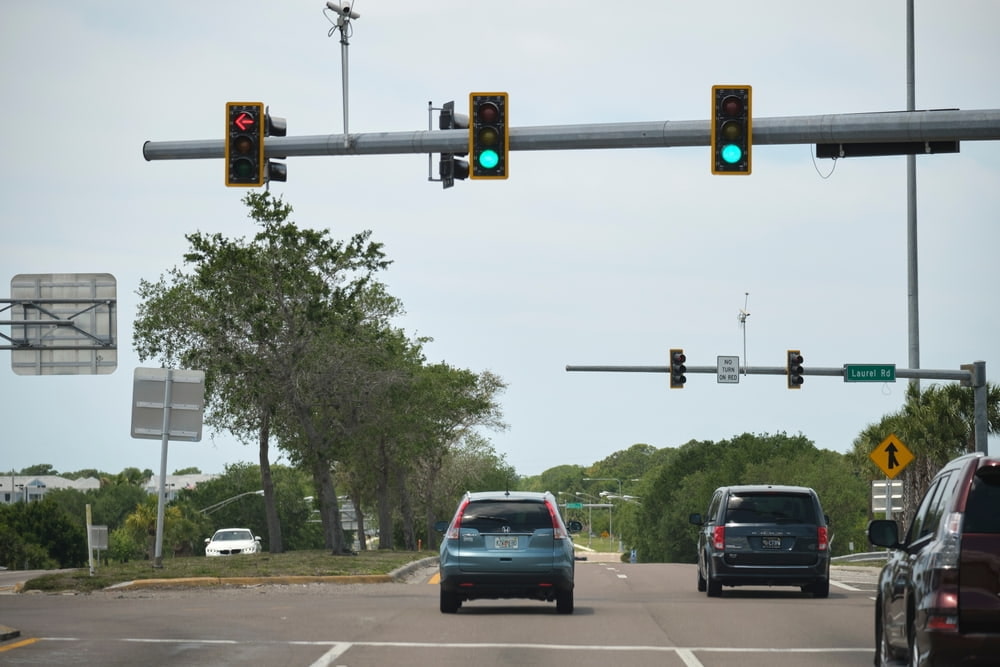
What Do Fort Worth Crash Statistics Show About Serious Injury Risk?
Fort Worth crash statistics show that severe wrecks are not limited to drivers inside passenger vehicles: People walking, biking, or riding motorcycles make up a small share of total crashes, but they account for a much larger share of fatal and serious injury crashes.
Fort Worth’s Vision Zero analysis found several important safety patterns:
- Vulnerable Road Users Face Higher Injury Risk: Bicycle, pedestrian, and motorcycle crashes made up only 4% of all reported crashes but accounted for 34% of killed-or-serious-injury crashes.
- Major Roads Carry Heavy Crash Exposure: TxDOT on-system roads carry 84% of vehicle miles traveled and account for 53% of killed-or-serious-injury crashes.
- Local Roads Still See Severe Outcomes: Local off-system roads carry only 16% of vehicle miles traveled but still account for 47% of killed-or-serious-injury crashes.
- Severe Crashes Often Require Emergency Care: Serious wrecks can lead to trauma care, imaging, surgery, rehabilitation, and follow-up treatment through local medical systems such as JPS Health Network.
These numbers show why Fort Worth's crash risk is not just a freeway issue. High-speed roads matter, but serious injuries also happen on local streets where drivers interact with pedestrians, cyclists, motorcycles, turning traffic, and intersections.
Does the Accident Location Determine Fault in Fort Worth?
The location of a Fort Worth car accident doesn’t automatically decide who is at fault. A dangerous intersection, freeway merge, or high-crash corridor may help explain why a wreck happened, but fault usually depends on what each driver did before impact.
A crash on a known problem road still requires proof. The evidence must show that someone broke a traffic rule, failed to yield, followed too closely, drove distracted, sped, made an unsafe lane change, or acted carelessly in a way that caused the collision.
Location can still matter. Road design, traffic signals, lane markings, visibility, construction zones, and congestion may help explain the crash sequence. For example, a wreck near the I-35W and I-30 interchange downtown may raise questions about merging, following distance, blind spots, or sudden braking.
Those facts can support the fault analysis, but they don’t replace it. Insurance companies may also point to the location to argue that road conditions, traffic, or confusion caused the crash. That argument doesn’t end the question of who is at fault.
The key issue remains whether a specific driver made a careless choice that caused your injuries or property damage.
Can Crash Statistics Strengthen a Fort Worth Car Accident Claim?
Crash statistics can help explain why a Fort Worth road, intersection, or freeway corridor is dangerous, but they don’t prove who caused your specific wreck. To prove fault, you still need evidence showing what happened in your crash and how the other driver’s actions caused your injuries or property damage.
Broad crash data may help show that a location has a history of serious wrecks, confusing traffic patterns, high speeds, or repeated safety problems. That context can be useful, especially when a crash happens on a known high-injury corridor.
But statistics alone can’t show who had the green light, who changed lanes without checking, who failed to brake, or who had the right of way. The strongest evidence focuses on the crash itself.
Compelling evidence may include:
- Targeted Dashcam Footage: Video can show the moments before impact and help prove lane position, speed, braking, traffic signals, or unsafe movement.
- Event Data Recorder Information: Vehicle data may show speed, braking, throttle use, and other details from the seconds before the crash.
- Independent Eyewitness Testimony: Witnesses can help confirm what they saw, including signal color, lane changes, speeding, stopping distance, or failure to yield.
- Formal Police Crash Report: The Texas CR-3 crash report may include driver information, insurance details, citations, diagrams, road conditions, and the officer’s observations.
- Scene Photos and Physical Evidence: Photos of debris, skid marks, vehicle damage, road layout, signs, and traffic controls can help explain how the crash happened.
Using Preservation Letters
A Fort Worth car accident lawyer can send preservation letters to the people or businesses that may control key evidence after a crash. These letters put them on notice to save video, vehicle data, business surveillance footage, dashcam recordings, repair records, or commercial records.
This preemptive step matters because some evidence is not in your possession and may be deleted under routine deletion schedules if no one demands that it be preserved.
Can a Lawyer Help After a Crash in a Fort Worth Accident Hotspot?
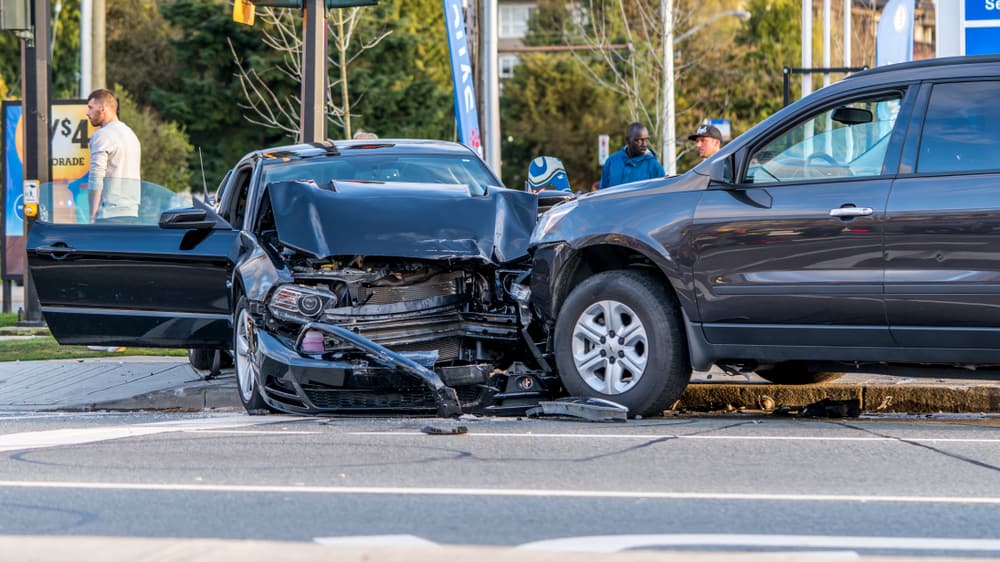
A lawyer can help after a crash in a Fort Worth accident hotspot by separating general roadway danger from the specific proof needed in your case. Crash statistics may show that a road is risky, but your claim still depends on evidence showing who caused your wreck.
That distinction matters when an insurance company tries to blame the location instead of the driver. A busy interchange, confusing lane pattern, or high-injury corridor may explain why crashes happen there, but it doesn’t excuse speeding, distraction, unsafe lane changes, tailgating, or failure to yield.
A Fort Worth car accident lawyer may help by:
- Connecting Local Data to Your Crash: Fort Worth crash statistics can provide context, but they need to be tied to the facts of your wreck, not used as a substitute for proof.
- Preserving Location-Specific Evidence: Nearby business cameras, traffic footage, dashcam video, signal timing records, road design details, and 911 records may help show what happened before impact.
- Challenging Roadway Blame Arguments: If the insurer argues that a dangerous road caused the crash, the response should bring the focus back to the driver’s choices.
- Using Crash Reconstruction When Needed: In serious or disputed crashes, reconstruction can help explain speed, braking, lane position, impact angle, and whether the crash could have been avoided.
- Tracking Deadlines and Filing Rules: A lawyer can monitor the Texas statute of limitations and any special notice rules that may apply if a government vehicle, public road condition, or municipal issue is involved.
FAQ for Fort Worth Car Accident Statistics
How Do Fort Worth Car Accident Statistics Affect Insurance Investigations?
Fort Worth car accident statistics can give insurers context about where crashes happen often, but they don’t decide fault in your specific case. The insurance company still has to look at the crash report, photos, witness statements, vehicle damage, medical records, and the conduct of each driver.
Are Fort Worth Crash Hotspots Monitored by Traffic Cameras?
Some Fort Worth highways and major corridors have live traffic cameras, including TxDOT cameras used to monitor traffic flow. But TxDOT camera footage is not recorded, and not every public or private camera stores video after a crash.
If footage exists from a business, property owner, dashcam, or private camera archive, it may be deleted or overwritten quickly.
What if Poor Road Conditions Contributed to My Crash?
Poor road conditions can matter if they helped cause the crash, but they don’t automatically excuse careless driving. Drivers are still expected to slow down, keep control, and adjust to rain, poor visibility, construction zones, uneven pavement, or other road hazards.
Does Insurance Consider Where the Accident Happened?
Insurance companies may consider the crash location when reviewing a claim, especially if the wreck happened on a known high-crash road or busy intersection. Location can help explain the traffic setting, but the fault still depends on evidence showing what each driver did before impact.
Who Pays Medical Bills After a Tarrant County Collision?
Medical bills after a Tarrant County crash may be paid at first through health insurance, auto policy benefits, MedPay, personal funds, or another available source. If another driver caused the crash, those medical costs may become part of your injury claim, but payment from the at-fault driver’s insurance usually comes through settlement or judgment.
Contact DFW Injury Lawyers Today

Fort Worth car accident statistics can show where serious crashes happen most, but a claim depends on the facts of your wreck. Photos, reports, medical records, witness statements, and location-specific evidence can all help show what happened and who was at fault.
DFW Injury Lawyers can review your Fort Worth car accident case, deal with the insurance company, and help protect the evidence needed to support your claim. Call (888) 231-1341 or fill out the online form to get started.