Riding in DFW presents unique challenges, especially at notoriously busy intersections like the one at Lemmon Avenue and Inwood Road. These and other dangerous intersections in Dallas and Fort Worth are the scene of frequent motorcycle collisions.
Yet, insurance companies often fail to consider the inherent risks of these locations when evaluating claims. An attorney investigates the intersection's design, traffic patterns, and the other driver's actions to ensure your claim fully reflects the incident's context.
A skilled motorcycle accident lawyer evaluates the total impact of a collision. This includes future medical needs, lost earning capacity, and other long-term consequences. Building a strong claim requires a detailed investigation into the circumstances of the accident and a clear presentation of the evidence.
Key Takeaways for Dangerous Intersections in Dallas and Fort Worth
- Specific intersections, such as Skillman Street and La Vista Drive in Dallas and McCart Avenue and West Berry Street in Fort Worth, are known danger zones for motorcyclists.
- Arterial roads with heavy retail traffic, such as South Hulen Street in Fort Worth and Preston Road in Dallas, create frequent situations where drivers fail to yield to riders.
- Busy commercial crossroads, like Preston Road at Royal Lane, present constant threats from vehicles entering and exiting shopping centers without properly looking for motorcycles.
- Insurance companies often attempt to unfairly place blame on the motorcyclist following a wreck, regardless of the intersection's known dangers.
- A thorough legal investigation can uncover evidence of driver negligence specific to the complexities of these dangerous intersections.
Identifying High-Risk Zones for Motorcyclists in Dallas
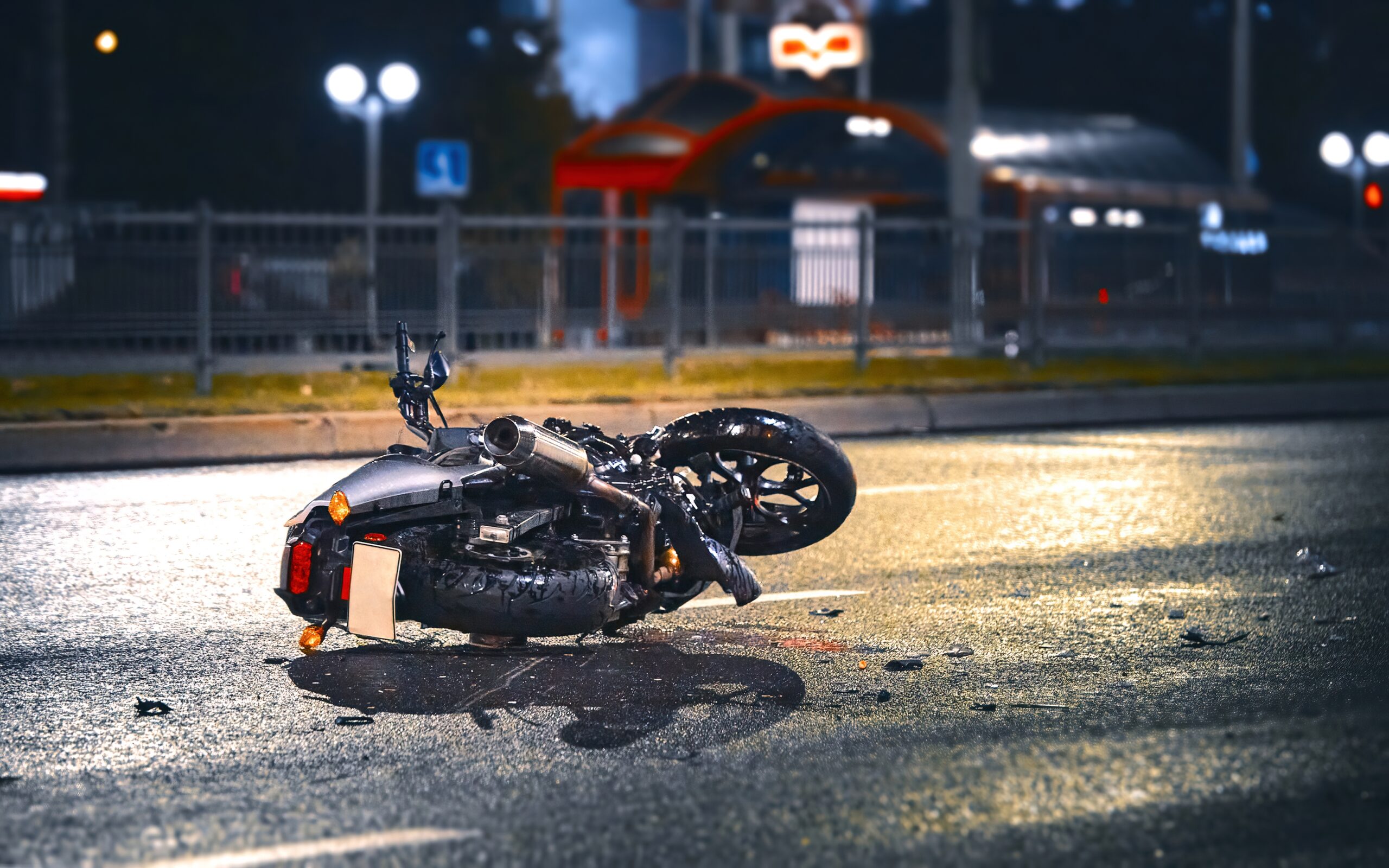
Dallas traffic patterns create uniquely hazardous conditions for motorcycle riders. The sheer volume of vehicles on major arterial roads demands heightened rider awareness. When other drivers fail to exercise caution at dangerous intersections in Dallas, the consequences can be significant.
Skillman Street and La Vista Drive
In East Dallas, the intersection of Skillman Street and La Vista Drive has long been recognized for its risks. The non-standard layout can confuse drivers unfamiliar with the area. Heavy traffic flowing to and from White Rock Lake and the Lakewood shopping district adds to the congestion.
Riders here must contend with drivers making abrupt turns and failing to yield the right-of-way. The angling of the streets can also create blind spots and visibility challenges. A driver's brief moment of inattention at this complex crossing can directly lead to a serious collision.
North Dallas Arterial Threats
Major arterial roads in North Dallas also pose a substantial risk. The intersection of Preston Road and Royal Lane is a prime example of a high-risk commercial crossroads. This location features heavy traffic from nearby shopping centers like Preston Royal Village.
Vehicles entering and exiting private drives and parking lots often pull out into traffic in front of motorcyclists, violating their right-of-way. Drivers focused on finding a parking spot or rushing to an appointment may fail to properly look for motorcycles.
A thorough accident investigation identifies all contributing factors. This work helps establish a clear picture of liability for insurance companies and, if necessary, for a jury.
Fort Worth’s Most Hazardous Intersections for Riders
Fort Worth has its own set of challenging roadways that can be treacherous for motorcyclists. From the busy commercial corridors to roads packed with university traffic, riders face constant risks from inattentive drivers.
The design of an intersection and the behavior of local drivers can create a recipe for disaster at many locations. An analysis of crash data often reveals patterns that point to specific dangers, making these intersections focal points for rider safety concerns.
McCart Avenue and West Berry Street
The intersection of McCart Avenue and West Berry Street near Texas Christian University is a significant trouble spot. The area sees a heavy mix of student drivers, commercial traffic, and pedestrians. This combination creates a chaotic and unpredictable environment for riders.
Drivers in this area are often distracted by looking for businesses or navigating campus-related traffic. The intersection experiences a high volume of left-hand turns, a maneuver that is one of the most dangerous for motorcyclists when other drivers fail to yield.
South Hulen Street and West Risinger Road
In Southwest Fort Worth, the intersection of South Hulen Street and West Risinger Road presents another danger zone. Heavy traffic flows near Hulen Mall and other retail centers, leading to severe congestion.
Drivers focused on their destination can easily overlook a motorcycle rider in the next lane. The intersection is large and complex, with multiple turn lanes and traffic signals. This complexity can confuse drivers, leading to right-of-way violations.
A rider proceeding lawfully through the light may suddenly be confronted by a car making an ill-advised turn, a common cause of motorcycle accidents. Successfully managing a claim from a crash at such a location requires a focused legal strategy.
Common Causes of Motorcycle Accidents at Intersections
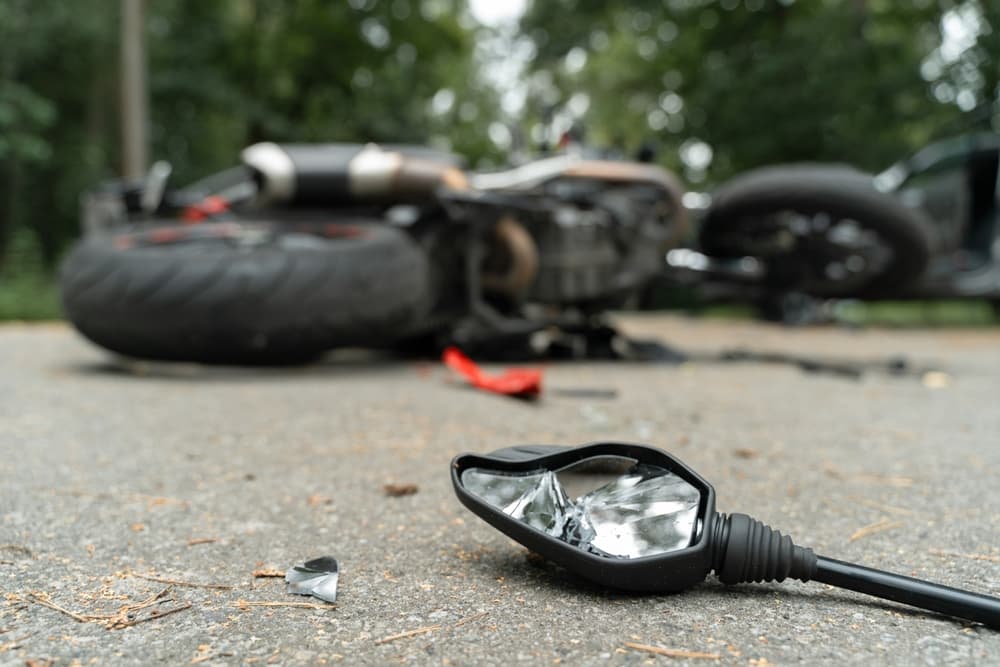
Collisions at intersections often happen because of another driver's negligence. Motorcycle riders are vulnerable to the poor decisions of others, from distracted driving to outright traffic law violations.
The specific dynamics of an intersection accident are crucial. Proving what the other driver did or failed to do requires evidence and a clear understanding of traffic laws. It’s a methodical process that separates a successful claim from an inadequate settlement.
Here are some of the frequent reasons these collisions occur:
- Failure To Yield: A driver turning left at an intersection often fails to see an oncoming motorcycle or misjudges its speed. This is one of the most common causes of serious motorcycle accidents.
- Distracted Driving: Drivers who are texting, talking on the phone, or otherwise not paying attention pose a significant risk to everyone, especially motorcyclists. A moment of inattention can have life-altering consequences.
- Running Red Lights: Drivers who attempt to beat a yellow light or blatantly disregard a red light can cause catastrophic T-bone collisions. Riders often have no time to react to such a reckless act.
- Unsafe Lane Changes: In a multi-lane intersection, a driver might suddenly change lanes without signaling or checking their blind spot, cutting off a motorcyclist and causing a wreck.
The Role of Road Design and Traffic Volume
The physical characteristics of an intersection contribute significantly to its safety, or lack thereof. Poor design choices and heavy traffic can make even the most careful rider vulnerable. These factors are often overlooked by insurance adjusters who are quick to blame the motorcyclist.
Investigating an accident at one of the high-risk intersections in Dallas and Fort Worth requires examining not only the drivers' actions but also the surrounding environment. A complete analysis can reveal a more complex story of liability.
Some key environmental factors include:
- Poor Visibility: Obstructions such as buildings, trees, or inadequate signage can limit a driver's line of sight, making it difficult to see an approaching motorcycle until it is too late.
- Confusing Lane Markings: Faded or poorly designed lane markings can lead to driver confusion and erratic maneuvers, endangering nearby riders.
- Lack of Protected Turns: Intersections without a dedicated green arrow for left turns force drivers to judge gaps in oncoming traffic, a situation ripe for miscalculation and tragedy.
- Potholes and Road Debris: Poor road maintenance can create hazards that are particularly dangerous for motorcycles, which are less stable than four-wheeled vehicles.
High-Speed Highway Interchanges Pose Severe Risks

While surface street intersections present significant hazards, the major highway interchanges throughout the metroplex create a different, often higher-speed, set of dangers for motorcyclists. The complexity and velocity of traffic at these points demand flawless decision-making from all drivers.
A momentary lapse in judgment by a driver in a car or truck at one of these interchanges can lead to a devastating collision.
Here are some of the most challenging interchanges for riders:
- The Dallas Mixmaster: The convergence of I-30 and I-35E near downtown Dallas is notoriously complex and congested. The interchange forces riders to contend with traffic merging from multiple directions at once.
- The High Five Interchange: This massive five-level stack at I-635 and US 75 in North Dallas is known for its confusing ramps and high-speed traffic. This interchange requires intense focus as other drivers make last-minute lane changes.
- Chisholm Trail and I-30 Junction: This interchange in Fort Worth, situated near TCU and University Drive, handles a high volume of local and commuter traffic. Riders face risks from drivers who misjudge speed while merging onto the main highway lanes.
- The I-35W and Loop 820 Interchange: This perpetually congested junction in north Fort Worth is a well-known bottleneck for commercial and commuter traffic, leading to aggressive and often unpredictable driver behavior.
FAQ for Dangerous Intersections in Dallas and Fort Worth
What Are My Rights if a Driver Says They Didn't See Me?
Your rights aren’t diminished simply because a driver claims they did not see you. Every driver has a responsibility to see what is there to be seen and to operate their vehicle safely. A lawyer works to show that a reasonable and prudent driver would have seen you and taken steps to avoid the collision.
This legal standard holds drivers accountable for paying attention to their surroundings, especially before turning or changing lanes. An investigation can establish that your motorcycle was clearly visible to anyone exercising proper caution.
How Does an Attorney Prove Fault in a DFW Intersection Accident?
An attorney proves fault by using evidence such as witness testimony, police reports, photos of the scene, and video footage. They may also work with accident reconstruction professionals to analyze the physics of the crash.
Your attorney pieces together this evidence to create a clear and detailed timeline of the events leading up to the collision. This detailed work helps to clearly establish the negligence of the other driver and can counter any inaccurate statements they may have made.
Should I Talk to the Other Driver's Insurance Company?
Don’t provide a recorded statement to the other driver's insurance company without first consulting an attorney. Insurance adjusters are trained professionals who ask seemingly innocent questions designed to get you to admit partial fault or downplay your injuries.
Their questions can twist your words to limit their company's liability, so let your lawyer handle all communications to protect your interests.
How Long Do I Have to File a Claim in Texas?
Texas law generally gives you two years from the date of the accident to file a personal injury lawsuit. While this may seem like a long time, acting promptly is critical to building a strong case.
Waiting allows physical evidence to disappear, and the memories of witnesses can fade over time. An attorney starts preserving this crucial evidence immediately to protect the full value of your claim.
What if I Was Partially at Fault for the Accident?
Texas follows a modified comparative fault rule, which allows you to recover damages as long as you’re not found to be 51% or more at fault for the accident. Your portion of blame, however, reduces your total compensation.
An attorney works to minimize any percentage of fault attributed to you by presenting evidence that the other driver’s actions were the primary cause of the wreck. Even a small change in the assignment of fault can significantly impact the final compensation you receive for your damages.
Connect With DFW Injury Lawyers Today
After a motorcycle accident, you need an advocate who can build a strong case and fight for your interests. The team at DFW Injury Lawyers has the skill and experience to hold negligent drivers accountable. Take the first step toward protecting your rights and complete our online contact form for a free evaluation.