When a shifting cargo load causes a truck accident in Texas, responsibility may fall on the truck driver, trucking company, shipper, cargo loader, or another party that failed to secure or inspect the load properly.
On busy freight routes like I-45, I-20, and the I-35 corridor through Dallas, an unsecured load can slide, roll off, or drag a trailer out of control in seconds. The result is often a serious multi-vehicle crash.
The Federal Motor Carrier Safety Administration (FMCSA) sets cargo-securement standards that spell out how loads must be blocked, braced, and tied down. When a load is not secured to that standard, the crash it causes is rarely a simple accident.
Table Of Content
- Table Of Content
- Key Takeaways for Shifting Cargo Truck Accidents in Texas
- Quick Answer: Who Is Liable for a Shifting Cargo Truck Accident in Texas?
- How Is Fault Divided When Cargo Shifts or Falls and Causes a Truck Crash?
- What Causes Cargo To Shift or Spill During a Truck Crash?
- What Federal Rules Govern How Trucks Secure Their Cargo?
- What Compensation Can You Seek After a Cargo-Related Truck Crash?
- How a Texas Truck Accident Lawyer Builds a Shifting Cargo Claim
- FAQ for Shifting Cargo Truck Accidents in Texas
- Trace the Load Before the Evidence Disappears
Key Takeaways for Shifting Cargo Truck Accidents in Texas
- A load that shifts, spills, or falls off a trailer can trigger a crash the moment the truck brakes, turns, or hits a bump.
- Federal rules set the standard for how freight must be blocked, braced, and tied down on every commercial trip.
- Fault can extend past the driver to the trucking company, the shipper, and the workers who loaded the trailer.
- Texas proportionate responsibility means your recovery shrinks by your share of fault and ends completely at 51%.
- Evidence like weigh records, loading documents, and the trailer itself can disappear quickly unless someone steps in to preserve it.
Quick Answer: Who Is Liable for a Shifting Cargo Truck Accident in Texas?
Liability for a shifting cargo truck accident in Texas can reach beyond the driver to the trucking company, the shipper, and the crew that loaded the trailer. If a party failed to secure the load the way federal rules require, that party can be held responsible for the crash it caused.How Is Fault Divided When Cargo Shifts or Falls and Causes a Truck Crash?
After a shifting load causes a Texas truck crash, fault depends on who loaded the cargo, who inspected it, and who failed to correct the problem before the crash. The truck driver, carrier, shipper, loading crew, or equipment provider may share responsibility when several failures contribute to the wreck.
Overloading and shifting cargo can involve different failures. Overloading means the truck carried too much weight, while shifting cargo means the load wasn’t properly balanced, blocked, braced, or tied down.
Investigating the loading records, inspection reports, and securement equipment helps show which parties contributed to the wreck.
The Truck Driver and Trucking Company
The driver is expected to inspect the load and confirm it is secure before departure and, when required, during the trip. A driver who skips an inspection or ignores signs that the load is moving can share fault.
The carrier may also be responsible for inadequate training, unrealistic schedules, or failing to provide suitable securement equipment.
The Shipper and Loading Crew
The shipper or loading crew may be liable when the hazard began at the loading dock. Freight stacked unevenly, distributed improperly, or secured with too few restraints can shift once the truck accelerates, turns, or brakes.
Loading instructions, bills of lading, photographs, and dock records can help establish how the cargo was prepared.
Third-Party Logistics and Maintenance Companies
Other businesses may share responsibility when their decisions or services contributed to the security failure. A maintenance company may have left damaged straps, chains, binders, or anchor points in service.
A logistics provider may also face scrutiny if its conduct contributed to the unsafe shipment, although arranging transportation alone doesn’t automatically make it liable.
What Causes Cargo To Shift or Spill During a Truck Crash?
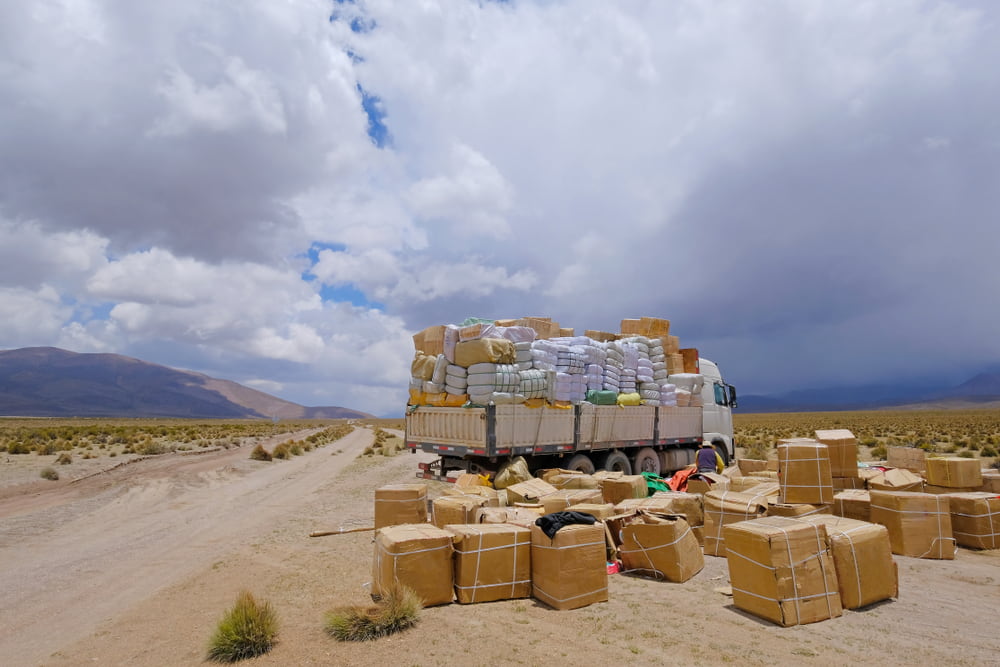
Cargo shifts or spills mainly because it was loaded incorrectly, secured poorly, or never balanced for the trip ahead. A trailer is not a sealed box; what happens inside it decides how the truck handles. When the load moves, the driver often loses the fight to keep the rig straight.
Think about a flatbed carrying steel coils down I-20. If those coils are not chained and blocked correctly, a hard stop can send tons of metal sliding forward or off the side. A trailer that was balanced in the yard can turn deadly on the first sharp curve.
Some of these failures start long before the truck ever hits the highway, back at the dock where the freight was loaded.
Here are the breakdowns that most often lead to a shifting cargo truck accident:
- Too Few or Weak Tie-Downs: Straps, chains, and binders that are missing, worn, or under-rated let heavy freight slide when the truck brakes or turns.
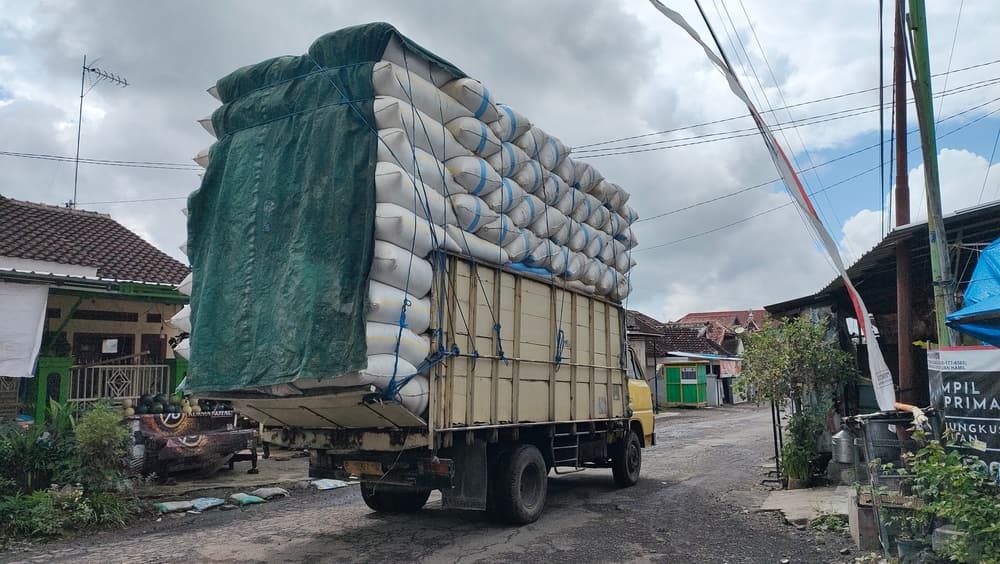
- Poor Weight Distribution: A load stacked too high or shoved to one side raises the odds of a rollover, especially on ramps and curves.
- No Blocking or Bracing: Freight that can slide because nothing holds it in place shifts forward under braking and slams the load against the cab or off the deck.
- Loose or Uncovered Loads: Gravel, pipe, and debris that are not properly secured, covered, or contained can spill or fall across a lane and cause a chain-reaction wreck behind the truck.
What Federal Rules Govern How Trucks Secure Their Cargo?
Federal rules require every commercial load to be secured so it cannot shift, leak, or fall off during normal driving. These are not vague suggestions. The FMCSA lays out specific standards for tie-downs, working load limits, and how different types of freight must be contained.
The rules scale with the cargo. Heavier and longer items need more tie-downs, and certain loads like logs, metal coils, and vehicles have their own detailed requirements. A cargo securement violation on a truck is often the clearest sign that someone skipped a step that mattered.
Since these standards are national, they apply to the freight rolling through Texas every day. Learning the federal cargo-securement rules helps show what a safe load should have looked like before the crash.
A violation does more than earn a citation. It can serve as strong evidence that the driver, carrier, or other party responsible for loading or securing the cargo failed to use reasonable care.
That proof often becomes the backbone of a shifting cargo truck accident claim, because it points straight at what went wrong and who let it happen.
What Compensation Can You Seek After a Cargo-Related Truck Crash?
After a truck crash in Texas, compensation can address financial losses, physical injuries, and personal limitations. The specific damages available depend on your injuries, their long-term effects, and the evidence supporting each loss.
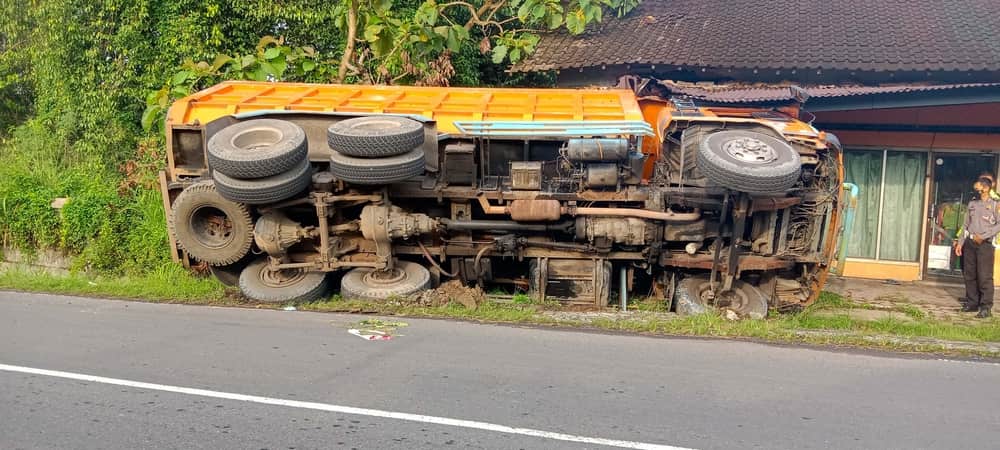
Spilled cargo, rollovers, and jackknife crashes can lead to emergency treatment at Parkland in Dallas or JPS in Fort Worth, followed by surgery, rehabilitation, and time away from work.
A claim may include:
- Past Medical Expenses: These damages cover emergency care, hospital stays, surgery, medication, therapy, and other treatment you have already received.
- Future Treatment Costs: Compensation can account for follow-up care, rehabilitation, additional procedures, assistive equipment, and other expected medical needs.
- Lost Wages: You can seek the income you missed while your injuries kept you from working.
- Diminished Earning Capacity: A lasting injury may support compensation for the income you’re less likely to earn in the future.
- Physical Pain: Damages can reflect the severity, duration, and ongoing effects of your pain.
- Mental Anguish: A claim may include emotional distress, anxiety, grief, or other psychological effects tied to the crash.
- Physical Impairment: Compensation can address limits on your mobility, independence, hobbies, and daily activities.
- Disfigurement: Scarring, burns, amputations, and other lasting changes to your appearance may support a separate category of damages.
What Is Proportionate Responsibility in Texas?
Texas proportionate responsibility rules can reduce your recovery if you share fault for the crash. Your compensation drops by your assigned percentage of responsibility, but you can’t recover compensation if that share is greater than 50%.
Evidence showing how the cargo was loaded, secured, inspected, and transported can therefore affect both liability and the amount you receive.
How a Texas Truck Accident Lawyer Builds a Shifting Cargo Claim
A Texas truck accident lawyer builds a shifting cargo claim by tracing the freight from the loading dock to the moment it shifted, spilled, or fell. The goal is to identify where the process broke down and connect that failure to the crash.
Reconstructing How the Load Was Prepared
Shipping records can show who loaded the trailer, how much the cargo weighed, and which company controlled the freight. Bills of lading, weigh tickets, loading diagrams, dock photographs, and surveillance footage can reveal whether the load was unevenly distributed or secured with the wrong equipment.
Comparing the Load to Federal Securement Rules
Cargo records mean more when they are measured against the standards that applied to the shipment. Your lawyer can work with trucking and engineering experts to examine the number of tie-downs, their working-load limits, the placement of blocking or bracing, and the condition of straps, chains, binders, and anchor points.
Tracing Responsibility Through the Supply Chain
The company that owned the truck may not be the only business responsible. The shipper, loading contractor, freight broker, maintenance provider, or equipment supplier may have made a separate mistake that contributed to the crash.
Contracts, invoices, inspection records, and employee testimony can help show who controlled each part of the shipment.
Coordinating Claims Against Multiple Companies
Each company may have its own insurer, lawyers, records, and version of what happened. Your Texas truck crash attorney can manage those competing claims, prevent the parties from simply blaming one another, and build a single account of how their combined failures caused your injuries.
Your Texas truck accident lawyer can pursue the shipper and loader, not just the driver.
FAQ for Shifting Cargo Truck Accidents in Texas
What Counts as a Shifting Cargo Truck Accident?
A shifting cargo truck accident is any crash caused by a load that moved, spilled, or fell because it wasn’t secured correctly. The trigger can be a hard brake, a sharp turn, or a bump that sends freight sliding. The common thread is a load that failed to stay put as required by federal rules.
Can You Sue the Company That Loaded the Truck?
You can sue the shipper or loading crew when their work causes the load to fail. If a dock team packed the trailer unevenly or used too few tie-downs, that choice can be the real reason the cargo shifted. Their role often makes them a key defendant alongside the driver.
Does a Cargo Securement Violation Help My Case?
A cargo securement violation can strongly support your case, because it shows someone broke a clear federal safety rule. That kind of proof helps establish that a driver, carrier, or loader failed to meet the accepted standard. It points directly at what went wrong and who was responsible.
What Should I Do if Debris From a Spilled Load Hit My Car?
Report the crash and get medical care first, then avoid giving a recorded statement until you speak with a lawyer. Spilled-load cases can involve several at-fault parties, and insurers may try to pin the blame on you or on road conditions.
Preserving photos and witness details early protects your side of the story.
Is Fault Different When Cargo Falls Off Versus Shifts Inside the Trailer?
Fault works much the same way whether cargo falls off or shifts within the trailer, since both indicate a securement failure. Cargo that falls onto the road can also involve liability for a truckload spill in a chain-reaction wreck.
Either way, the question is who failed to secure the freight to the required standard.
Trace the Load Before the Evidence Disappears

A shifting cargo truck accident can involve the driver, carrier, shipper, loading crew, and other companies that handled or secured the freight. DFW Injury Lawyers can investigate each party’s role, preserve the shipping records and securement evidence, and build a claim that accounts for everyone who contributed to the crash.
You focus on treatment while we track down the loading documents, inspect the equipment, and deal with the insurers. Call DFW Injury Lawyers at (888) 231-1341 or complete our online form to learn more about how we can help.