The most common construction accident injuries in Texas include broken bones, back and neck injuries, head trauma, burns, crush injuries, amputations, and injuries from falls. These injuries often happen on busy job sites where heavy equipment, trenches, cranes, electrical hazards, and multiple contractors work close together.
On projects across the state, the injury is only part of the problem. Your compensation may also depend on who caused the accident, who controlled the job site, and whether your employer carries workers’ compensation or operates as a Texas non-subscriber.
Key Takeaways for Construction Accident Injuries in Texas
- Building trades involve massive hazard zones that consistently produce head trauma, nerve crush injuries, and spine fractures.
- Many builders skip state workers' compensation insurance, giving workers the right to bring direct negligence lawsuits against those employers.
- Outside subcontractors and major site developers often bear independent liability when their safety shortcuts harm other crews.
- Reporting your bodily injury promptly to a supervisor helps establish the legal fact that the injury occurred while you were actively on the clock.
- Working with a Texas construction accident lawyer helps protect you from medical exams that may affect your work status or benefits.
Quick Answer: What Are the Most Common Construction Accident Injuries in Texas?
Common construction accident injuries in Texas include broken bones, back and neck injuries, burns, head trauma, crush injuries, amputations, and injuries from falls.
What Injuries Happen Most Often on Texas Construction Sites?
The most common construction injuries in Texas include back injuries, traumatic brain injuries (TBIs), broken bones, burns, and electrocution injuries. These injuries can happen when heavy equipment, exposed heights, falling objects, unsafe wiring, trenches, or fast-moving crews create hazards on the same job site.
On large projects along I-35E or US 287, a missed safety step can expose a worker to forces the body is not designed to withstand. A serious injury may keep you from lifting materials, climbing scaffolds, pouring concrete, wiring a building, or returning safely to the trade work that supports your family.
Common construction accident injuries include:
- Crush Injuries: Heavy machinery or collapsing materials can pin a worker and damage bones, nerves, muscles, blood vessels, and joints.
- Spinal Injuries: A fall from a ladder or scaffold can cause herniated discs and lasting nerve pain.
- Traumatic Brain Injuries: Falling tools and building materials can cause concussions or more severe TBIs that affect memory and focus.
- Broken Bones: Falls, vehicle strikes, and falling materials can fracture arms, legs, ribs, wrists, ankles, or facial bones.
- Burn Injuries: Fire and electrical contact can cause painful burns that require surgery or long-term wound care.
- Electrocution Injuries: Unsafe wiring or exposed power lines can cause electrical burns and life-threatening heart complications.
- Amputations: Machinery accidents and caught-between hazards can lead to the loss of fingers, hands, feet, or limbs.
- Soft-Tissue Injuries: Torn ligaments and deep muscle damage may limit your ability to lift, grip, climb, or work safely.
What Are OSHA’s Fatal Four Construction Hazards?
The Occupational Safety and Health Administration's (OSHA) Fatal Four hazards are falls, struck-by accidents, caught-in or caught-between accidents, and electrocutions. OSHA highlights these hazards in construction training because they are among the leading causes of serious and fatal construction injuries.
A struck-by hazard happens when a worker is hit by a moving, falling, swinging, or rolling object. On a construction site, that may involve a dropped tool, falling material, backing vehicle, swinging crane load, or piece of equipment that shifts without warning.
These incidents are different from caught-in or caught-between accidents, where the injury comes from being pinned, crushed, or trapped between objects.
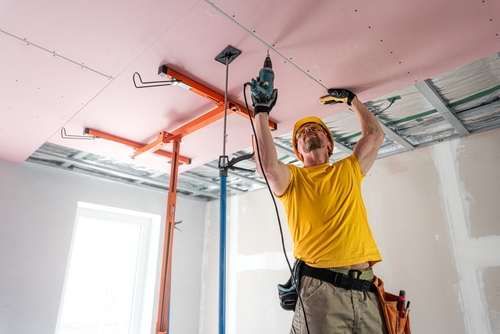
Where Does Compensation Come From After a Texas Construction Accident?
After a Texas construction accident, compensation may come from workers’ comp, a third-party injury claim, or a direct claim against a non-subscriber employer. The right path depends on who employed you, who caused the accident, and what coverage was in place on the job site.
This part confuses a lot of injured Texans, and for good reason. A large construction project in San Antonio may involve a general contractor, subcontractors, equipment companies, property owners, delivery drivers, and several layers of insurance.
The company that signed your paycheck may not be the only company responsible for what happened.
Here is the basic difference:
| Claim Type | When It Applies | What Happens |
| Workers’ Compensation | Your employer carries Texas workers’ compensation insurance. | Medical benefits and partial wage replacement, usually without needing to prove your employer was negligent. |
| Third-Party Claim | Someone other than your employer helped cause the accident. | Compensation for medical bills, lost wages, and pain and suffering from a negligent third-party, like a subcontractor or equipment operator |
| Non-Subscriber Claim | Your employer doesn’t carry traditional Texas workers’ compensation coverage. | A direct claim against your employer if its negligence helped cause your injury. |
The source of compensation matters because each claim works differently. Workers’ comp focuses on benefits. A third-party claim focuses on proving another company’s fault. A non-subscriber claim focuses on whether your employer failed to use reasonable care.
These categories can overlap. For example, you might receive workers’ compensation benefits from your employer’s policy while also pursuing a third-party claim against another company on the site.
Or, if your employer is a non-subscriber, your claim may focus on unsafe training, missing fall protection, poor supervision, dangerous equipment, or other choices that made the site unsafe.
How To Document Injuries From a Texas Construction Accident
You document a Texas construction injury by clearly linking the accident, the job site, the medical treatment, and the witnesses. Insurance companies often look for gaps, so records that show when, where, and how the injury happened can make the claim harder to dismiss.
That proof matters because construction sites change quickly. Equipment moves, crews rotate, cleanup begins, and video may be overwritten before anyone asks for it. On a busy project in El Paso, even a short delay can make it harder to prove which company controlled the area where you were hurt.
Helpful documentation may include:
- Medical Records: Emergency room notes, clinic records, imaging results, and follow-up treatment can connect your injury to the work accident and show the extent of the damage.
- Incident Reports: Reporting the accident to a shift foreman, supervisor, or site manager helps create a record that the injury happened on the job.
- EMS or Fire-Rescue Records: If an emergency team responded, dispatch records and EMS notes may help confirm the date, location, and condition you were in after the accident.
- Witness Information: Contact information from coworkers, delivery drivers, subcontractors, or bystanders can help confirm what happened before the story changes.
- Job-Site Photos and Video: Photos of the hazard, equipment, trench, scaffold, ladder, floor opening, or falling object can preserve details that may disappear after cleanup.
- Daily Logs and Work Records: Contractor logs, crew schedules, inspection notes, safety reports, and sign-in sheets may show which trade teams were nearby and who controlled the dangerous area.
The goal is to make the facts clear before an insurance company tries to blame an old injury, a weekend activity, or another contractor. Strong documentation helps show what happened, where it happened, and why the injury should be taken seriously.
Can a Subcontractor Be Liable for a Texas Construction Injury?
A subcontractor may be liable for a Texas construction injury if its crew created the hazard that hurt you. On a busy job site, your employer may not be the only company whose choices matter.
Large commercial projects often have several trades working at the same time. Framing crews, drywall teams, plumbers, electricians, masons, delivery drivers, and equipment operators may all share the same work area.
If one crew creates a danger for another, that outside company may become part of the claim. A plumbing subcontractor may open a trench near another crew’s work area. A masonry crew may leave materials where other workers have to pass, or an electrical contractor may leave exposed wiring near wet concrete.
A third-party claim can matter because it may provide a separate path to compensation. If your employer carries workers’ compensation, you may receive benefits through that system while also pursuing a claim against a negligent outside company.
If your employer is a Texas non-subscriber, your case may involve both an employer negligence claim and a third-party claim, depending on who contributed to the accident.
FAQ About Texas Construction Accident Injuries
Can I Sue the General Contractor for a Subcontractor’s Mistake?
You may be able to sue a general contractor if they controlled the unsafe work area or failed to address a hazard that they had the power to fix. A general contractor is not automatically responsible for every subcontractor’s mistake, but site control matters.
On a large construction site, the general contractor may be responsible for coordinating trades, enforcing site safety rules, or correcting dangerous conditions in shared work areas.
Who Pays for My Construction Accident Injuries if I Share Fault?
You may still recover compensation in a Texas personal injury claim if you’re less than 51% responsible for the accident. If your share of fault is 50% or less, your compensation may be reduced by your percentage of responsibility.
For example, if your damages are valued at $100,000 and you’re found 10% responsible, you can still recover $90,000. If you’re found more than 50% responsible, Texas law may bar recovery in a negligence claim.
What Do Texas Construction Accident Compensation Claims Pay For?
Texas construction accident compensation may cover medical bills, lost income, pain, physical limitations, and future work losses, depending on the type of claim. The source of compensation matters because workers’ comp, third-party claims, and non-subscriber claims do not work the same way.
Workers’ comp may cover medical care and partial wage replacement, but a third-party or non-subscriber claim may allow broader damages against another company that caused the accident.
Is There a Deadline To Sue After a Construction Site Injury in Texas?
In most personal injury cases, Texas gives you two years from the date of the construction accident to file a lawsuit. Missing your deadline can give the defense a strong argument for dismissing the case.
Some claims may involve shorter notice rules, especially if a government entity is involved. The safest approach is to identify the deadline early, especially when several companies, insurers, or job-site owners may be involved.
Does an OSHA Safety Violation Help a Liability Claim?
Evidence of an OSHA safety violation can help a Texas construction accident claim, but it doesn’t automatically prove your entire case. The violation still needs to connect to the hazard that caused your injury.
For example, an OSHA citation involving fall protection may matter in a scaffold or roof fall case. A citation involving trench safety may matter in a collapse case.
Protect Your Recovery After a Serious Texas Construction Injury

A serious construction injury can put your paycheck, medical care, and future work at risk. When your claim involves workers’ comp, a third-party contractor, or a Texas non-subscriber employer, knowing where compensation may come from is not always simple.
DFW Injury Lawyers helps injured Texans sort through the job-site facts, insurance issues, and company records that can shape a construction accident claim. If you were hurt on a Texas construction site, call (888) 231-1341 or fill out the online form to talk about your next steps for free.