
Texas car crash claims move fast because the insurance companies have seen every version of the wreck before and are ready to protect their profits. If a wreck put you in a hospital bed, kept you from working, or left you fighting over fault, a Texas car accident lawyer can start building your claim before the insurer shapes it for you.
Adjusters are working the phones, pushing for statements, quick offers, and broad medical releases before you know the full extent of your injuries. Every one of those moves is designed to shrink the check they end up writing.
DFW Injury Lawyers gets ahead of that, protecting your rights and shielding you from the pressure campaign. Call (888) 231-1341 or fill out our online form to learn about your options in a free consultation.
Why Texans Trust DFW Injury Lawyers for Auto Accident Claims
DFW Injury Lawyers handles Texas car accident cases with pressure, discipline, and the courtroom always on the table. We move fast against the insurer and build the proof around what the crash actually cost you. And when it comes to negotiating a fair settlement, injured Texans need some Muscle on their side.
Statewide Reach, DFW Roots
Our home base is in the Metroplex, but our resources and attorneys reach across the state. Whether the wreck happened on I-35 near Waco, along I-10 outside San Antonio, on the LBJ Freeway, or on a rural farm-to-market road in East Texas, our team can step in and run the file with the same force.
Every Case Runs In-House
When you come to DFW Injury Lawyers, you won’t be handed to another firm or referral shop. The attorneys who take your case are the attorneys who work your case, from the demand letter to mediation to a jury verdict if that is where the fight needs to go.
Communication That Actually Happens
You hear from us as the case moves. Not once. Not only when there is a settlement offer. DFW Injury Lawyers keeps you updated at each stage because sitting in the dark on your own claim is not something you should have to add to your recovery.
Ready to move forward? Call (888) 231-1341 or use our online contact form to speak with a Texas car accident lawyer today.
Fault, Coverage, and Leverage in Texas Car Accident Claims
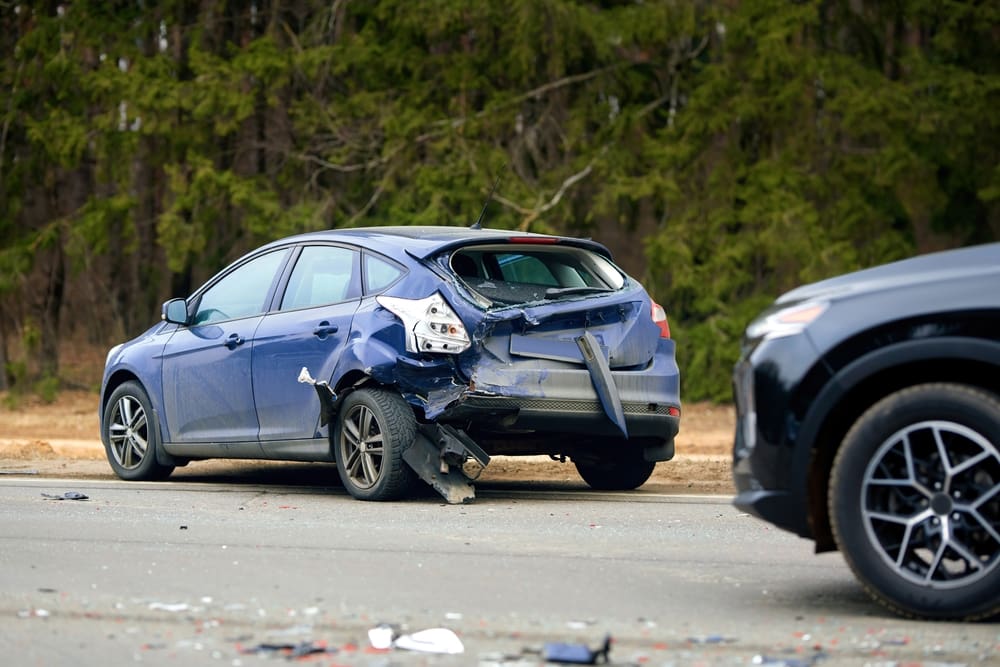
Texas car accident claims depend on three questions: who caused the crash, how much fault the insurer can push onto you, and how much insurance coverage is available to pay the claim. Those issues decide whether the case stays simple or turns into a fight over blame and policy limits.
| Texas Rule | What It Means for Your Claim |
| At-Fault System | The driver who caused the crash and their insurer are usually first in line to pay for your losses. |
| 51% Fault Bar | You can recover if you’re less than 51% at fault. If the insurer pushes your share above that line, it may pay nothing. |
| Low Minimum Limits | Texas minimum liability limits are $30,000 per person and $60,000 per crash. A serious injury can run past those numbers fast. |
| UM/UIM Coverage | Your Uninsured/Underinsured (UM/UIM) coverage on your own policy may help if the at-fault driver has no insurance or not enough insurance to cover the damage. |
| PIP Coverage | Personal Injury Protection may help with early medical bills or lost income, depending on your policy. |
DFW Injury Lawyers looks at these issues from the start because the insurer is already doing the same thing. We prove fault, review every policy, and push past the first blame argument or insurance limit the adjuster wants to use against you.
When the insurer tries to keep the case small, the Muscle brings the pressure needed to make them answer for the real damage.
Where Do Texas Car Accidents Happen Most Often?
Texas car accidents happen most often where traffic volume, speed, road design, and driver pressure collide. That can mean an urban interstate in Dallas or Houston, a rural highway running through Jim Wells County, or a freight-heavy corridor in West Texas.
The setting matters because it affects the evidence, the injuries, the insurance fight, and where the case may be filed. The location of your wreck can shape more than the crash report.
A busy DFW intersection may have business and traffic cameras, as well as nearby witnesses. A rural highway crash may involve higher speeds, delayed emergency response, and fewer witnesses.
Common Texas crash environments include:
- Urban Highways: Major routes such as I-35, I-45, I-10, and Loop 610 carry high-speed, high-volume traffic. Multi-car crashes, lane-change wrecks, and rear-end collisions are common when traffic stacks up fast.
- Rural Roads: Crashes on two-lane highways and ranch roads can lead to severe injuries because speeds are high and emergency help may take longer to arrive.
- Freight Corridors: Areas with heavy commercial traffic, including West Texas oil-field routes and major interstate shipping lanes, can bring trucking companies, maintenance records, driver logs, and larger insurance policies into the claim.
- Border and Port Routes: Roads serving border crossings, ports, and freight hubs often mix passenger vehicles with commercial traffic. These crashes may involve out-of-area companies, cargo records, or layered insurance coverage.
- Metro Feeder Roads and Tollways: Feeder roads, tollways, and loop highways create constant merge, exit, and lane-change risks. These cases often turn on camera footage, witness accounts, and proof of who had the right of way.
- Intersections: In towns and cities across Texas, intersections remain common crash points because drivers are turning, stopping, speeding up, and crossing traffic from multiple directions.
Our Texas car accident lawyers don’t treat wrecks like a dot on a map. Our team looks at where the crash occurred, what evidence exists there, which venue may apply, and which insurers or companies should be held responsible.
Texas Crash Data Shows Why Injury Claims Need Real Proof
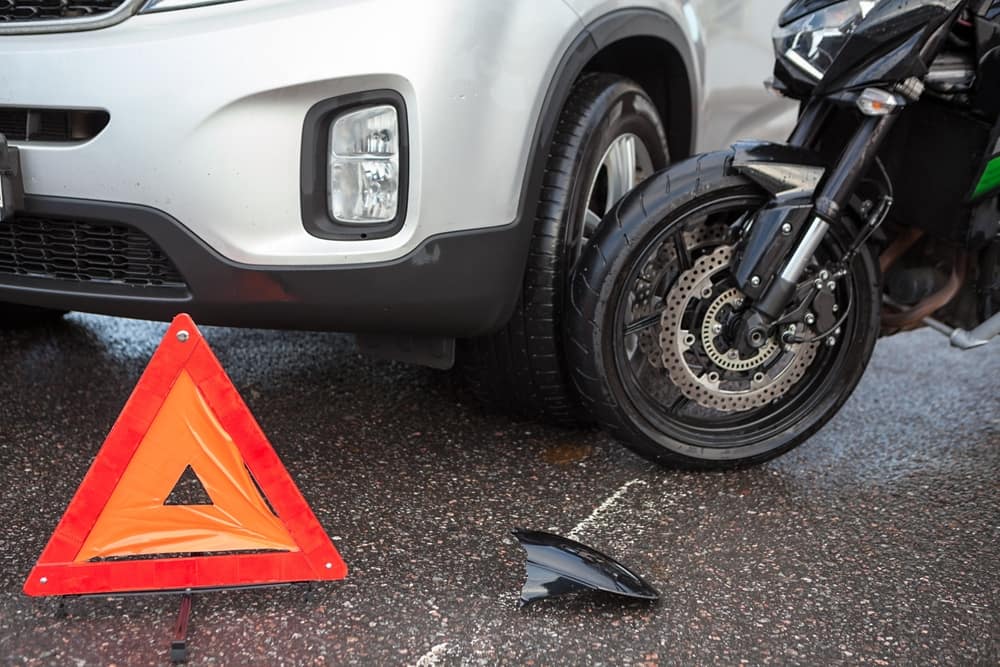
Texas crash numbers show how quickly a “normal” wreck can become a serious injury claim. In 2024, Texas had 14,905 serious injury crashes, with 18,218 people suffering severe injuries. TxDOT also reported that one person was injured in a Texas traffic crash every 2 minutes and 5 seconds, and 1,050 people were killed in crashes that occurred in or were related to intersections.
Those numbers matter because insurers handle these claims every day, but you only have one case. A serious crash can turn on medical records, camera footage, witness statements, intersection design, fault disputes, and the long-term cost of treatment.
DFW Injury Lawyers builds the proof around what the crash actually did to you, not what the insurance company offers to pay first.
What Evidence Matters After a Texas Car Accident?
After a Texas car accident, photos, video, witness statements, crash reports, medical records, vehicle damage, and insurance policies all matter. Some of that evidence may be easy to save yourself, but much of it sits with businesses, government agencies, medical providers, insurers, or the driver who hit you.
Key evidence may include:
- Crash Reports: The police report can identify drivers, witnesses, insurance information, crash location, citations, and the officer’s early view of what happened. Your Texas car crash lawyer can review it for errors, missing details, or fault assumptions the insurer may try to use.
- Photos and Video: Pictures of the vehicles, road, injuries, debris, skid marks, traffic signals, and scene conditions can help show how the crash happened. Nearby business cameras and traffic footage may disappear fast if no one requests it.
- Witness Statements: Independent witnesses can push back when the other driver changes their story. The sooner those statements are gathered, the better the details tend to be.
- Vehicle Damage and Repair Records: The damage pattern can help show impact angle, speed, and force. Repair records can also support the property damage claim and help experts understand how the wreck happened.
- Medical Records: Treatment notes, imaging, diagnoses, referrals, restrictions, and future-care opinions connect the crash to your injuries. Without that record, the insurer may argue you weren’t seriously hurt or that something else caused the problem.
- Work and Income Records: Pay stubs, tax records, employer notes, missed shifts, and work restrictions can show how the injury affected your income. This proof matters even more if the injury changes your ability to work long-term.
Getting this evidence is not always simple. A regular person can ask for records, but insurers, companies, and other drivers don’t always move quickly just because you need proof.
DFW Injury Lawyers gets that evidence moving. The Muscle sends the requests, preserves the records, follows the paper trail, and keeps the insurer from valuing your claim from a half-empty file.
What Compensation Is Available After a Car Crash in Texas?
Your Texas car accident lawyer can help you pursue money for the bills you’ve already received, the bills your doctors say are coming, the paychecks you have lost, and the personal impact the injury has on your life.
First offers from adjusters almost never reflect that full picture, because the adjuster's job is to close cases below their real value, not above it. We build your claim with input from treating providers and outside experts to make sure you leave nothing on the table.
Potential compensation includes:
- Medical Bills: Your Texas car accident claim can include emergency care, surgery, rehabilitation, injections, imaging, plus any long-term care your doctors expect you to need.
- Lost Wages: You can recover the paychecks you missed while you were out of work for treatment, appointments, or recovery.
- Loss of Earning Capacity: You can pursue future income losses if the injury limits your hours, changes your job duties, or keeps you from returning to the same work.
- Pain and Mental Anguish: Compensation can account for the physical pain of the injury, along with the stress, fear, sleep problems, or emotional strain that follow a serious auto accident.
- Physical Impairment: You can recover money for permanent limitations in your movement, strength, balance, endurance, or ability to perform normal daily tasks.
- Disfigurement: Visible scars, burns, surgical marks, amputations, or other permanent changes to your body can have value in their own right.
- Property Damage: Your claim can include the cost to repair or replace your vehicle, plus personal items damaged or lost in the crash.
The Muscle doesn’t let the insurer price your case off the first stack of bills. Your Texas car accident attorney works through the full damage, the future medical picture, and every category of loss that state law allows.
FAQs for Texas Car Accident Lawyer
How Long Do I Have To File a Texas Car Accident Lawsuit?
In most Texas car accident cases, you have two years from the date of the crash to file a lawsuit. That deadline matters because the insurer can keep talking, delaying, or “reviewing” the claim while the clock keeps running.
DFW Injury Lawyers moves early to protect proof, deal with the insurance company, and keep your case from being weakened by a missed filing deadline.
What Happens if the Other Driver Had No Insurance?
Your own UM/UIM coverage may help pay the claim if the driver who hit you had no insurance. Texas insurers must offer UM/UIM coverage, but drivers can reject it in writing, so the first step is checking your own policy.
We can review the declarations page, open the right claim, and handle that fight with your carrier when UM/UIM coverage applies.
Can a Texas Car Accident Lawyer Help Me if the Police Report Says the Crash Was My Fault?
A police report blaming you doesn’t automatically end your case, and a Texas car crash lawyer can help challenge an inaccurate report. Reports reflect one officer’s initial assessment of the crash, often based on a brief scene investigation and statements from shaken drivers.
Camera footage, witness statements, vehicle damage, and reconstruction can show where the report got it wrong.
How Soon After a Texas Car Accident Should I See a Doctor?
See a doctor as soon as possible after a Texas car accident, even if you don’t feel pain right away. Adrenaline can hide injuries for hours or days, and a same-day or next-day visit helps connect your injuries to the wreck.
At DFW Injury Lawyers, we help our clients get a medical examination within 24 hours to protect their health and strengthen their claims.
What if the Crash Involved a Rideshare, Delivery Driver, or Commercial Vehicle?
A Texas car crash involving a rideshare, delivery driver, or commercial vehicle may involve more insurance coverage than a regular car wreck. Rideshare coverage can depend on whether the driver was logged in or on an active trip.
Delivery and commercial vehicle cases may involve an employer, contractor, company policy, or higher commercial limits. DFW Injury Lawyers sorts through every policy so the claim doesn’t stop at the first layer of coverage.
Take the Next Step With DFW Injury Lawyers

Wherever the crash happened — a metro interstate, a rural highway, an oil-field corridor, or a neighborhood intersection — the fight ahead of you looks a lot like the fight we handle every day. You focus on healing. We’ll focus on the insurer, the evidence, and your money.
Call DFW Injury Lawyers today at (888) 231-1341 or fill out our online form to speak with a Texas car accident lawyer.