Not long ago, a sudden ice storm turned Dallas roads into slippery traps, causing dozens of multi-car crashes across the city. Drivers who were commuting safely just hours earlier found themselves sliding into other vehicles, even while trying to stay in control. Weather-related accidents often complicate questions of fault and liability.
Texas storms can appear without warning, creating dangerous conditions challenging even the most careful drivers. When accidents happen during ice, heavy rain, or severe storms, figuring out who is responsible is not always simple.
Insurance companies and courts do not automatically dismiss these crashes as unavoidable. DFW Injury Lawyers can help explore your options after a weather-related car accident and guide you toward the support you need.
Key Takeaways: Weather and Car Accident Responsibility in Texas
- Weather conditions don’t automatically excuse drivers from liability—you’re still expected to drive safely under them.
- Texas follows modified comparative negligence rules, meaning weather can reduce but not eliminate liability in many cases.
- In some situations, sudden weather changes, such as microbursts or ice formation, can create genuine “act of God” defenses.
- Documentation of weather conditions at the time of your accident is crucial for building your case.
- Government entities might bear responsibility for weather-related accidents if they failed to maintain safe roads or provide adequate warnings.
- Insurance companies often try to blame the weather to avoid paying claims, making legal representation valuable.
- A car accident attorney can help prove that another driver’s negligence, not just weather, caused your crash.
Weather and the Legal Duty of Care in Texas
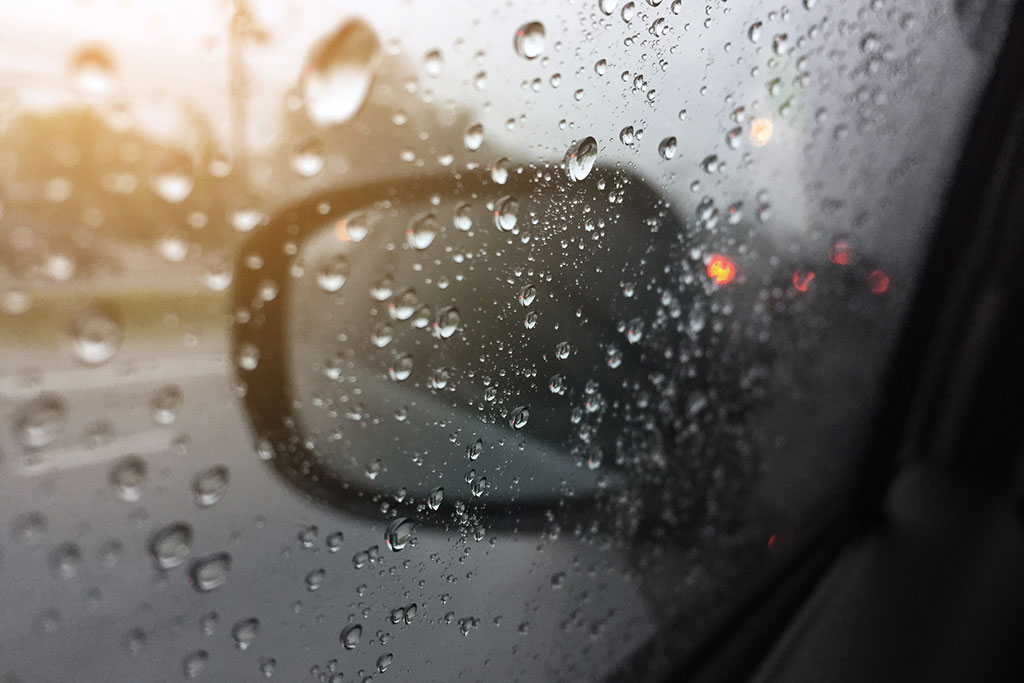
Every driver in Texas has a legal obligation to drive safely and reasonably under the existing conditions. This duty doesn’t disappear when it starts raining or when fog rolls in - it becomes more demanding.
If you’re driving in bright sunshine on dry pavement, you can safely follow the car ahead at a certain distance. But when heavy rain reduces visibility and makes roads slick, that same following distance becomes negligent. You’re expected to adjust your driving to match the conditions you face, not the conditions you wish existed.
Courts and insurance companies evaluate weather-related accidents by asking whether a reasonable driver would have acted differently under those conditions. If you were speeding in a thunderstorm, following too closely in fog, or making sudden lane changes on wet pavement, you can still be found liable even though the weather played a role.
The legal standard isn’t perfection - it’s reasonableness. Drivers aren’t expected to be weather forecasters or have supernatural reflexes, but they are expected to recognize dangerous conditions and respond appropriately.
Texas Weather Conditions That Can Influence Car Accident Liability
Texas weather creates dangerous driving conditions that often influence liability in accidents. Heavy rain and flash flooding are common in the Dallas-Fort Worth area, reducing visibility and turning roads into rivers within minutes. Courts often examine whether drivers slowed down, maintained control, or ignored barricades, since violating flood warnings typically results in full responsibility.
Ice storms, though rare, can paralyze traffic, as seen in 2021. Liability often depends on timing and notice: Was the ice sudden, or had conditions worsened for hours? “Black ice” claims receive close scrutiny, as drivers are still expected to recognize when ice is possible.
Fog adds another layer of risk, especially along waterways. Multi-car pileups often raise questions about speed, following distance, and whether drivers should have stopped.
In West Texas and Gulf Coast regions, high winds and dust storms can reduce visibility or push vehicles, with liability often tied to vehicle type and driver judgment.
The Role of “Acts of God” in Texas Car Crash Liability
Insurance companies and defense lawyers frequently claim that weather conditions constitute “acts of God” that excuse their clients from liability. However, Texas courts take a narrow view of this defense and rarely allow it to eliminate responsibility completely.
An act of God involves sudden, unpredictable weather events that no reasonable person could have anticipated or prepared for. Think of a microburst that strikes without warning, or a tornado that touches down directly in front of moving traffic.
The key factors courts consider include whether the weather event was truly sudden, whether it was reasonably foreseeable, and whether a careful driver could have taken precautions. Weather that appears on radar for hours before affecting traffic patterns rarely qualifies for act of God protection.
Even when weather events are genuinely sudden, they don’t automatically excuse all driver behavior. If you’re speeding when a microburst hits or continue driving aggressively after conditions become dangerous, you can still bear significant responsibility for resulting accidents.
When Weather Raises Questions About Government Responsibility in Texas
Government entities can sometimes be responsible for weather-related accidents when poor road design, inadequate maintenance, or failed warning systems contribute to crashes. Roads should drain properly, feature safe curves, and provide shoulders for emergencies.
Weather can turn flaws into serious hazards when these standards aren’t met. Agencies also monitor conditions and can close roads or issue warnings; failing to act can create liability.
In Texas, pursuing a government claim is challenging because strict rules apply. You usually have only six months to give formal notice, making swift legal action critical.
Insurance Company Tactics in Texas Weather Claims
Insurance companies often blame the weather to deny or reduce claims, arguing that accidents were unavoidable or conditions were worse than reported. They may even suggest you should not have been on the road at all.
These tactics overlook the fact that millions of Texans drive safely in storms, fog, and icy conditions every day. Weather makes driving harder, but it does not excuse reckless choices. Careful drivers adjust speed, increase following distance, and avoid crashes.
Successfully challenging insurance arguments requires strong documentation of local conditions, since official weather reports may not reflect what was happening at the exact accident site.
Documenting Weather Conditions in Texas
Building a strong case after a weather-related accident requires thorough documentation that goes beyond basic police reports. Weather conditions can change rapidly, and conditions at the time of your accident might differ from those hours earlier or later.
Start with official weather data from the National Weather Service, but don’t stop there. Local news reports, social media posts with time stamps, and traffic camera footage can all provide valuable evidence about actual conditions.
Witness statements become particularly important in weather-related cases. Other drivers who were on the same roads at the same time can testify about visibility, road conditions, and reasonable driving behavior under those circumstances.
Photos from the scene should include road surfaces, weather conditions, and any relevant infrastructure, such as drainage systems or warning signs. Don’t forget to document your vehicle’s condition, including tires, lights, and safety equipment that might be relevant to weather driving capability.
Texas Vehicle Maintenance and Weather Liability
Your vehicle’s condition significantly affects your ability to drive safely in adverse weather, and poor maintenance can increase your liability even when the weather contributed to an accident.
Bald tires provide little traction on wet roads and can turn manageable rain into hydroplaning disasters. Worn brake pads increase stopping distances that might be acceptable in dry conditions, but inadequate when roads are wet.
Defective windshield wipers, burned-out headlights, or non-functioning defrosters can make weather conditions much more dangerous than they need to be. If equipment failures contributed to your accident, expect insurance companies and opposing lawyers to investigate your maintenance records thoroughly.
However, mechanical failures can also support your case if they weren’t your fault. If your tires were recalled for weather safety issues, or if your vehicle had known defects the manufacturer failed to address, product liability claims might be available alongside your car accident case.
Texas Seasonal Weather Patterns and Liability
Texas weather follows predictable seasonal patterns that affect liability considerations throughout the year. Spring brings a severe thunderstorm season, with dramatic temperature changes, hail, and flash flooding. Drivers during these months are expected to monitor weather forecasts and avoid travel during severe weather warnings when possible.
Summer heat creates different hazards, including tire blowouts and mechanical failures that might not occur in moderate temperatures. Summer afternoon thunderstorms are common enough that drivers should expect them and plan accordingly.
Fall weather transitions can be particularly tricky, with sudden temperature drops creating unexpected ice or fog conditions. Early winter weather events often catch drivers off guard because they haven’t adjusted their driving habits for seasonal changes.
While rare, winter storms are highly publicized when they do occur. Drivers who venture out despite warnings and road closures typically bear full responsibility for resulting accidents.
Working with a Texas Car Accident Attorney
Weather-related car accident cases involve complex questions of meteorology, engineering, and legal responsibility that are difficult to navigate without professional help. Insurance companies have teams of adjusters and lawyers who understand how to minimize weather-related claims, putting individual accident victims at a significant disadvantage.
A car accident lawyer can investigate the weather conditions at your accident location, consult with meteorologists when necessary, and build evidence that driver negligence, not just weather, caused your crash. They can also handle the complex procedural requirements for government liability claims and fight insurance company tactics designed to blame the weather for everything.
Look for an attorney who has experience with weather-related accident cases and who understands their unique challenges. These cases often require technical analysis and multiple sources of evidence that general practice lawyers might not be familiar with.
Types of Compensation in Texas Weather-Related Accidents
Weather-related accidents often cause serious injuries because drivers have less control over their vehicles and less time to react to dangerous situations. Even when the weather contributes to an accident, you’re still entitled to full compensation for your injuries if another driver’s negligence played a role.
Medical expenses from weather-related accidents can be substantial, especially if your injuries require long-term treatment or rehabilitation. Emergency surgery, extended hospital stays, and specialty care all add up quickly after serious accidents.
Lost income becomes particularly important if your injuries prevent you from working for extended periods. Weather-related accidents often occur during commuting hours when people are traveling to or from work, potentially affecting their employment status.
Property damage in weather-related accidents can be extensive, especially in multi-vehicle crashes common during storms or ice events. Your vehicle might be repairable, but weather conditions can turn minor impacts into total losses.
Pain and suffering damages recognize that weather-related accidents often involve particularly traumatic circumstances. Sliding helplessly on ice or losing control in a storm creates emotional trauma that goes beyond physical injuries.
Protecting Your Rights After a Weather-Related Accident in Texas
Weather-related car accidents present unique legal challenges that require immediate attention and experienced guidance. While weather conditions might complicate your case, they don’t prevent you from recovering compensation when other drivers’ negligence contributed to your injuries.
Our DFW Injury Lawyers can investigate the actual conditions at your accident scene, fight insurance company tactics that blame everything on the weather, and build the evidence needed to prove that driver negligence caused your crash. Don’t let insurance companies use Texas weather as an excuse to deny you fair compensation. Contact us today at (972) 440-2320 to discuss your weather-related car accident case.
FAQs on Weather Conditions and Crash Responsibility
Does bad weather automatically make me not at fault for an accident?
No, weather conditions don’t eliminate your responsibility to drive safely and adjust your behavior to match road conditions, though they might reduce your percentage of fault in some cases.
Can I sue the government if poor road drainage caused my weather-related accident?
Potentially yes, but government claims have strict deadlines and procedural requirements that make quick legal action essential if you want to preserve your rights.
What if the other driver claims they couldn’t see my car because of rain or fog?
Reduced visibility requires drivers to slow down and increase following distances - if another driver couldn’t see well enough to avoid an accident, they were likely driving too fast for conditions.
How do insurance companies investigate weather conditions after an accident?
Insurance companies often obtain detailed weather reports and might even hire meteorologists to analyze conditions, so having your legal representation is vital for weather-related claims.
Can I recover compensation if I suffered an injury in a multi-car weather-related pileup?
Yes, even in complex multi-vehicle accidents, individual drivers can still be held responsible for their role in causing crashes, regardless of weather conditions.