Being hit by an uninsured driver can feel like facing the accident twice—first from the crash itself and then from the financial strain when the other driver cannot cover damages. It happens more often than many realize in Dallas, where uninsured drivers are common.
Even if the at-fault driver has no insurance, you still have ways to seek compensation. Your own uninsured or underinsured motorist coverage may apply; in some cases, other responsible parties can be held accountable.
DFW Injury Lawyers can guide you through the process, evaluate all possible sources of recovery, and make sure you do not miss any chance to get fair compensation. Reach out today to protect your financial future.
Key Takeaways on Protecting Yourself in a Dallas Uninsured Driver Crash
- Texas requires all drivers to carry liability insurance, but enforcement gaps mean many uninsured drivers remain on Dallas roads.
- Your uninsured motorist coverage provides the primary source of compensation when at-fault drivers lack insurance.
- Underinsured motorist coverage protects you when the at-fault driver’s insurance is insufficient to cover your damages.
- Personal injury protection and medical payments coverage can help with immediate medical expenses regardless of fault.
- An asset investigation might reveal whether uninsured drivers have personal assets that can satisfy judgment awards.
- Government entities might bear responsibility if poor road design or maintenance contributed to your uninsured driver accident.
- A car accident attorney can maximize recovery from all available sources and handle complex insurance coverage issues.
The Uninsured Driver Problem in Dallas
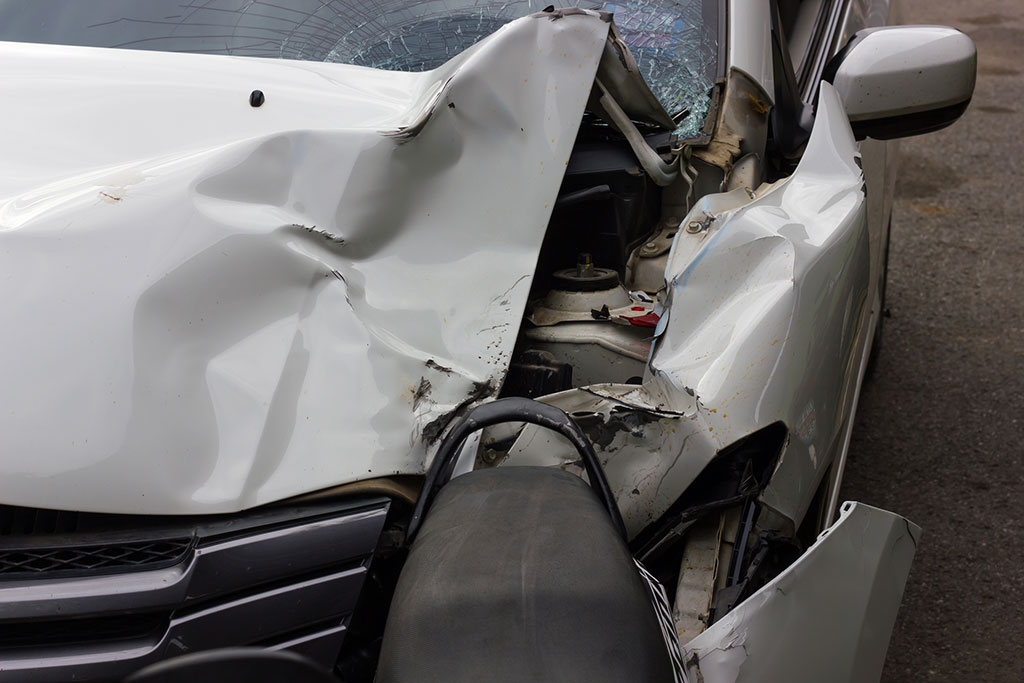
Despite Texas laws requiring liability insurance, a significant percentage of Dallas drivers operate vehicles without proper coverage. Economic pressures, immigration concerns, and simple disregard for legal requirements contribute to this ongoing problem.
The Texas Department of Insurance estimates that roughly 14 percent of drivers statewide lack required insurance coverage, but urban areas like Dallas often see higher rates. This means that in any multi-vehicle accident, there’s approximately a one-in-seven chance that one of the drivers involved won’t have insurance to pay for damages they cause.
Uninsured drivers aren’t randomly distributed across the population. They’re often concentrated in lower-income areas where insurance premiums represent significant financial burdens, or among drivers who face higher rates due to poor driving records or other risk factors. Car accident lawyers help victims navigate the challenges of uninsured driver accidents, ensuring you understand your options and take steps to secure the compensation you deserve, even when the at-fault driver lacks coverage.
Your Dallas Coverage Options After an Uninsured Driver Accident
When accidents involve uninsured or underinsured drivers, your own insurance coverage often provides the only realistic path to compensation. Understanding these options before an accident can prevent financial hardship:
- Uninsured Motorist (UM) Coverage: Protects you when the at-fault driver has no insurance. It covers bodily injury, including medical expenses, lost income, and pain and suffering, and may include optional property damage coverage. Texas law requires insurers to offer UM coverage, though drivers can reject it in writing. Claims can be complex, as your insurer essentially becomes the payer and may attempt to minimize payouts.
- Underinsured Motorist (UIM) Coverage: Applies when the at-fault driver has insurance, but their policy limits are insufficient to cover your damages. UIM coverage supplements the other driver’s policy after their limits are exhausted. It is especially important in severe injury cases with high medical bills or lost income.
- Personal Injury Protection (PIP): Pays a portion of medical expenses and lost income regardless of fault, typically 80 percent of medical costs and 60 percent of lost income. PIP provides quick cash flow during recovery, though it usually excludes pain and suffering.
- Medical Payments Coverage (Med Pay): Covers immediate medical expenses for you and passengers, supplementing health insurance and filling gaps in other coverage. It does not cover lost income.
Checking Assets of an At-Fault Driver Who Is Uninsured in Dallas
When uninsured drivers cause serious accidents, investigating their personal assets becomes important for determining whether pursuing a lawsuit makes financial sense. Even drivers without insurance sometimes have attachable assets that can satisfy judgment awards.
Asset Discovery Process
Professional asset investigations can reveal bank accounts, real estate ownership, business interests, and other valuable property that might not be immediately apparent. This process often involves public records searches, professional databases, and sometimes private investigation services.
However, asset investigation costs money upfront with no guarantee of finding attachable assets. Many uninsured drivers lack sufficient assets to make litigation worthwhile, which is why they often don’t carry insurance in the first place.
The timing of asset investigations matters because people can transfer or hide assets once they know lawsuits are coming. Early investigation preserves the best chance of identifying recoverable assets before they disappear.
Types of Attachable Assets
Real estate represents the most common source of recoverable assets from uninsured drivers. Even modest homes can provide significant equity that satisfies judgment awards, and real estate is difficult to hide or transfer quickly.
Business ownership interests, investment accounts, and valuable personal property like boats or expensive vehicles might also be available to satisfy judgments. However, many assets are protected by exemption laws that prevent creditors from seizing them.
Wage garnishment represents another potential recovery source, but only if the uninsured driver has steady employment with garnishable income. Self-employed individuals or cash workers can often avoid wage garnishment relatively easily.
Government and Third-Party Liability When the At-Fault Driver Is Uninsured in Dallas
Accidents involving uninsured drivers sometimes include other parties who may share liability, creating additional paths for compensation. Government entities can be responsible when poor road design, inadequate signage, malfunctioning traffic signals, or hazardous conditions contribute to a crash. These claims have strict deadlines, typically requiring formal notice within six months, and navigating immunity issues can be complex.
Public entities often carry substantial insurance, making recovery possible with thorough investigation and expert support. Product defects, tire failures, or other vehicle malfunctions can also lead to manufacturer or distributor liability, though proving causation often requires accident reconstruction and technical analysis.
Additionally, employers may be responsible if the uninsured driver was working at the time of the accident, granting access to commercial insurance and corporate assets. Establishing employer liability can be challenging, especially when drivers are classified as independent contractors. Identifying all potential responsible parties and carefully analyzing these claims is crucial for maximizing recovery after an uninsured driver accident.
What to Know About Your Insurance When the At-Fault Driver Is Uninsured in Dallas
Filing an uninsured motorist (UM) claim with your insurance company changes the dynamic, as your insurer now has financial incentives to minimize your payout. Insurers often challenge whether the at-fault driver was truly uninsured, dispute the extent of your injuries, request extensive medical records, or demand independent examinations. Delays in processing are common, as companies hope financial pressure will push you toward a lower settlement.
Texas law protects UM claimants by ensuring benefits equal what the at-fault driver’s insurance would have paid. Insurers cannot raise defenses that wouldn’t apply to liability coverage, such as late premium payments, and you have the right to arbitration if negotiations stall.
Settling a UM claim requires careful evaluation, since it often represents your primary compensation source. Make sure the settlement covers future medical expenses and long-term impacts. Once accepted, you usually cannot pursue additional compensation, though sometimes combining UM settlement with a limited pursuit of the at-fault driver’s personal assets can maximize recovery and protect your financial interests.
Dallas Medical Care and Costs When the At-Fault Driver Is Uninsured
Accidents with uninsured drivers create immediate concerns about paying for medical care while fault and coverage remain uncertain. Emergency rooms must provide initial treatment regardless of ability to pay, but follow-up care with specialists often requires insurance or payment arrangements, which can create gaps affecting both health and legal claims.
Some providers offer treatment liens, agreeing to be paid directly from eventual settlements, though liens can reduce net recovery. Health insurance usually covers initial expenses but may seek reimbursement from settlement proceeds, making it important to understand subrogation rights.
Accurate medical records are critical, documenting all injuries, treatments, appointments, and related expenses like transportation or lost work time. These records support insurance claims and potential lawsuits against the uninsured driver. Don’t delay care due to cost, as gaps can be used to challenge injury severity. Many providers offer payment plans or charity care to ensure treatment continues while claims are processed.
Legal Action Against Uninsured Drivers
Pursuing lawsuits against uninsured drivers requires careful consideration, as many lack sufficient assets to satisfy large judgments. Legal action can still make sense in severe injury cases with substantial damages, especially if wage garnishment, asset seizure, or future settlement leverage is possible. Some drivers may have hidden assets, such as businesses, real estate, or family members’ attachable property, which a professional investigation can uncover.
Even with a favorable judgment, collection is often challenging. Many uninsured drivers have limited income, work cash jobs, or structure finances to avoid garnishment. Asset seizure can be costly and time-consuming, sometimes consuming a large portion of the recovery.
Texas law imposes a two-year statute of limitations for personal injury claims, creating time pressure for filing. Initiating a lawsuit preserves your rights while you continue investigating assets or negotiating settlements. Filing within this window ensures you don’t lose your legal options, even if ultimate recovery from the uninsured driver proves limited. DFW Injury Lawyers can guide you through this process and help assess the best strategy for your situation.
Getting Legal Help After an Uninsured Driver Accident in Dallas
Uninsured driver cases involve complex insurance coverage issues, asset investigation, and potential multiple defendant scenarios that are difficult to navigate without professional legal help. The stakes are often higher because your own insurance represents the primary recovery source.
An experienced car accident attorney can evaluate all potential sources of compensation, handle complex insurance coverage disputes, and investigate whether third parties might bear liability for your accident. They can also coordinate with medical providers to ensure continued treatment while claims are pending. Attorneys can protect your rights and maximize recovery by thoroughly analyzing policy language, calculating non-economic damages, and anticipating insurance company tactics.
Look for attorneys with specific experience in uninsured motorist claims and insurance coverage disputes. These cases require different skills than typical third-party liability cases and benefit from car accident lawyers who regularly handle coverage issues and understand the nuances of Texas insurance law, ensuring you don’t leave any available compensation unclaimed.
Moving Forward After an Uninsured Driver Accident
Dealing with an accident caused by an uninsured driver can be stressful, but taking action quickly helps protect your rights and increase your chances of fair compensation. The key is reviewing all available coverage and preserving every potential legal option.
At DFW Injury Lawyers, we handle uninsured driver cases across the Dallas area. We can check all possible sources of compensation, work with your insurance to ensure fair treatment, and see if other parties may share responsibility.
Don’t face medical bills or vehicle repairs alone. Reach out today at (972) 440-2320 and explore your options.
Uninsured At-Fault Drivers - Frequently Asked Questions
What happens if I don’t have uninsured motorist coverage and get hit by an uninsured driver?
Without uninsured motorist coverage, your options are limited to pursuing the uninsured driver’s personal assets or seeking compensation from other potentially liable parties, like government entities or employers.
Can I use my health insurance for accident injuries while pursuing an uninsured motorist claim?
Yes, health insurance typically covers accident injuries initially, but they may seek reimbursement from your settlement, which can reduce your net recovery.
How long do uninsured motorist claims typically take to resolve?
Timelines vary based on injury severity and coverage disputes, but these claims often take 6-18 months to resolve through settlement or arbitration.
What if the uninsured driver flees the scene of the accident?
Hit-and-run accidents typically qualify for uninsured motorist coverage as long as you report the accident to the police and your insurance company promptly and can provide evidence that another vehicle was involved.
Will my insurance rates increase if I file an uninsured motorist claim?
Texas law prohibits insurance companies from raising rates based solely on uninsured motorist claims where you weren’t at fault, though other factors might still affect your premiums.