Most people think they understand the dynamics of rear-end collisions, but legal liability depends on facts and evidence, not on common assumptions. After a crash, the other driver’s insurance company may look for any reason to assign you blame and reduce the amount they have to pay.
The insurance adjuster may argue that you were partially at fault for stopping suddenly or having defective brake lights, turning a seemingly simple claim into a complex dispute. A car accident lawyer anticipates these arguments.
Your attorney can build a case based on a thorough investigation to protect the full value of your claim and hold the negligent driver accountable.
Key Takeaways for Rear-End Collisions
- Texas law presumes the rear driver acted negligently, but this is a starting point, not a final decision.
- The actions of the front driver, such as sudden braking without cause or having non-working taillights, can shift liability.
- Texas operates under a modified comparative fault rule, meaning your percentage of fault affects your compensation.
- Insurance companies often use tactics like offering quick, low settlements or disputing the severity of your damages.
- Documenting everything, including vehicle damage and all medical care, provides critical support for your claim.
Calculating Your Damages After a Rear-End Crash
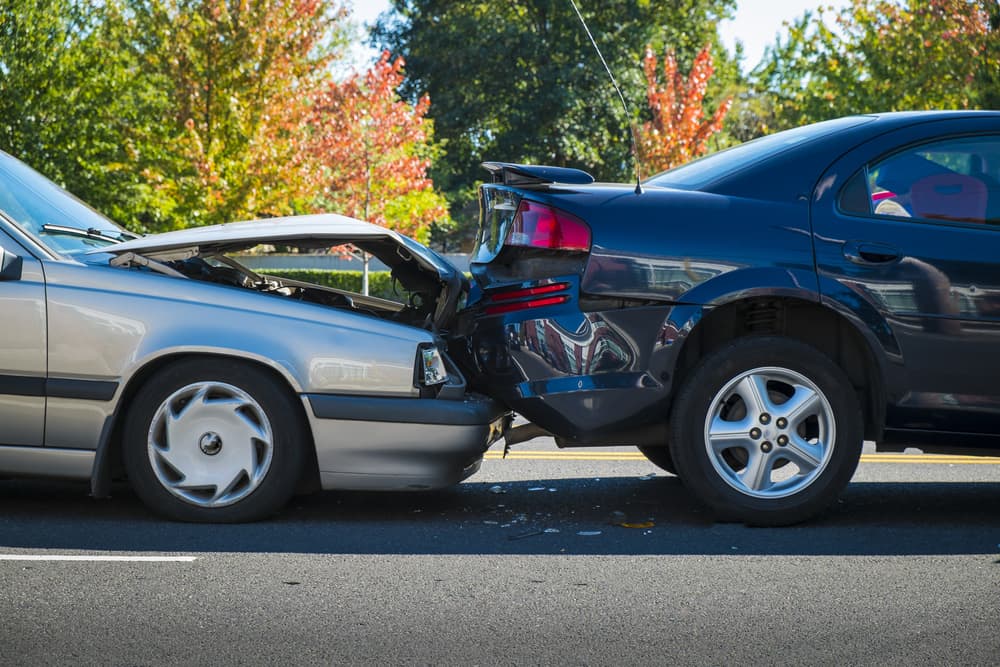
The at-fault driver’s insurance policy is the primary source of compensation after a rear-end collision. Determining the amount you may recover requires calculating all your losses, both economic and non-economic.
An initial settlement offer from an insurer is unlikely to cover the complete financial impact of a serious crash, and average settlement amounts vary widely depending on the severity of the incident. Your unique losses dictate the value of your claim.
Economic Damages
These damages are the direct financial losses resulting from the collision and can be calculated by adding up bills and receipts.
You can seek compensation for the following:
- Medical Expenses: This includes emergency care, hospital stays, surgery, physical therapy, and any future medical treatment you require.
- Lost Income: You can recover wages lost while you were unable to work during your recovery.
- Loss of Earning Capacity: If your injuries prevent you from returning to your previous job, you may recover for the impact on your future earnings.
- Property Damage: This covers the cost to repair or replace your vehicle and any other damaged property.
Non-Economic Damages
These damages compensate you for the intangible, personal losses you suffered. They’re harder to quantify but are a critical component of your recovery.
Your claim may include compensation for:
- Pain and Suffering: This portion of your compensation accounts for the physical pain and emotional distress caused by your injuries.
- Physical Impairment: This compensation addresses the loss of ability to perform daily activities or enjoy hobbies.
- Disfigurement: You may be able to recover for scarring or other permanent changes to your appearance.
- Mental Anguish: This compensates for anxiety or other psychological impacts resulting from the trauma of the collision.
Determining Fault in Texas Rear-End Collisions
In Texas, the law holds at-fault drivers accountable for the damages they cause. Most people believe the rear driver is automatically liable in all rear-end collisions, and while the trailing driver is frequently found responsible, liability isn’t automatic.
Texas law requires every driver to maintain a safe following distance to react to sudden stops. A violation of this duty often forms the basis of a negligence claim. However, establishing fault requires a careful look at the specific facts of the crash.
An insurance adjuster may try to argue that you contributed to the collision to reduce their payout.
The Rebuttable Presumption of Negligence
The idea that the rear driver is at fault is a rebuttable presumption, which means the law presumes they were negligent unless evidence shows otherwise. A skilled legal advocate can challenge this presumption by investigating the full context of the incident.
Specific scenarios can place a portion of the fault, or even all of it, on the lead driver. The core of any claim is proving that another party's negligence caused the harm you suffered.
When the Lead Driver Shares Fault
It’s common to how one could possibly be at fault when rear-ended, but certain actions can make the front driver partially or fully responsible. Texas uses a system called modified comparative fault to assign a percentage of responsibility to each involved party.
If you’re found to be 50% or less at fault, you can recover damages, but your percentage of fault reduces your total amount. If your fault exceeds 50%, the law bars you from any recovery.
Factors that can shift the fault include:
- Malfunctioning Brake Lights: The lead driver has a duty to maintain their vehicle, including ensuring brake lights are working.
- Reversing Unexpectedly: A driver who backs up into another vehicle may hold the majority of the liability.
- Brake-Checking: Intentionally and suddenly braking without a hazard is an aggressive and negligent act.
- Unsafe Lane Changes: If a driver cuts you off without enough space and brakes suddenly, they may be at fault.
Common Defenses Used by Insurance Companies After a Rear-End Crash
Insurance adjusters for at-fault drivers often use specific strategies to protect their company's bottom line. Their job is to settle claims for the lowest amount possible. Recognizing their tactics empowers you to protect your rights.
Adjusters may contact you very soon after the collision, hoping you’ll say something that ends up hurting your claim. Insurers often try to get victims to accept a quick offer before they know the full extent of their physical and financial damages.
Disputing Liability
The simplest way for an insurer to avoid paying is to blame you for the crash. Even in rear-end collisions where their driver was clearly following too closely, the adjuster may claim you stopped suddenly or had faulty brake lights.
They look for any reason to apply the comparative fault rule and reduce the value of your claim, which is why a thorough investigation is vital. Gathering evidence, such as witness statements and video footage, helps counter these arguments and establish a clear picture of what happened.
Delaying the Claims Process
Another common tactic is to delay. The insurer may prolong the investigation, ignore your calls, or request duplicate information, hoping that financial pressure forces you to accept an inadequate settlement out of frustration.
Texas law sets deadlines for insurers to act on claims, but they often push these limits. An attorney can help you hold them accountable to these timelines.
Questioning Your Damages
If the insurer cannot deny liability, they may attack the value of your damages. Adjusters may argue that your vehicle damage was minor and therefore couldn’t have caused significant physical harm.
They might also scrutinize your medical records, suggesting an injury was pre-existing or unrelated to the accident.
You can protect your claim by:
- Following Medical Advice: Adhere strictly to the treatment plan prescribed by your doctors.
- Keeping Records: Maintain a detailed file of all medical bills, vehicle repair estimates, and receipts for any other crash-related expenses.
- Tracking Missed Work: Document any time you missed from your job, including lost wages and benefits.
- Preserving Evidence: Keep photos of the accident scene and your vehicle, along with the other driver’s information.
How a Lawyer Helps Secure Compensation After a Rear-End Collision

A personal injury lawyer acts as your advocate, managing every aspect of your claim so you can focus on healing. They work to protect you from common insurance company tactics and build a strong case for full compensation.
From investigating a crash that happened near Sundance Square in Fort Worth to negotiating with powerful insurance carriers, a lawyer champions your interests.
Here are ways a lawyer helps:
- Thorough Investigation: Your attorney will collect all available evidence, including the police report, photos from the scene, and witness statements. They may also identify and preserve video footage from nearby businesses or traffic cameras.
- Accurate Damage Calculation: Your legal team works with you to document all economic and non-economic losses. This detailed accounting ensures you pursue a settlement that reflects the true value of your claim.
- Clear Communication: Your lawyer handles all communications with the at-fault driver's insurance company. This prevents you from making a recorded statement or accidentally saying something that could weaken your case.
- Aggressive Negotiation: Experienced attorneys know how to negotiate with adjusters, counter lowball offers, and fight for a settlement that provides for your long-term needs.
- Filing a Lawsuit: If an insurance company refuses to offer a fair settlement, your lawyer prepares and files a personal injury lawsuit to advance your case through the court system.
- Managing Liens and Payouts: After securing a settlement, your attorney works to negotiate and resolve medical liens and other bills. This final step maximizes the amount of money you ultimately receive.
FAQ for Rear-End Collisions
What Are the First Steps I Should Take After a Crash?
Start by creating a central file for everything related to the crash, including the police report number, photos from the scene, and the other driver's information. Notify your own insurance company about the accident, and continue to follow all medical advice from your doctors and attend all follow-up appointments.
Keep records of every related expense, from medical bills and prescription receipts to estimates for vehicle repairs. Decline any request from the other driver's insurance adjuster to provide a recorded statement until you speak with an attorney.
Is the Rear Driver Always at Fault in Texas?
No, the rear driver isn’t automatically at fault in every case. While there is a legal presumption that the trailing driver was negligent, this can be challenged with evidence. Actions by the front driver, like brake-checking or having non-working taillights, can lead to shared or full liability.
How Long Do I Have To File a Claim in Texas?
The statute of limitations in Texas for personal injury claims is generally two years from the date of the accident. Waiting too long to take action may prevent you from recovering any compensation. Contacting an attorney promptly helps you meet all critical deadlines.
What Evidence Helps Prove Fault in Rear-End Collisions?
A variety of evidence helps establish fault: The police report provides an official account, while witness testimony offers an independent perspective. Photographs and videos of the vehicles and the scene create a visual record, and documentation of medical treatment connects your injuries to the crash.
Do I Have To Give a Recorded Statement to the Other Driver's Insurer?
You have no legal obligation to provide a recorded statement to the other party’s insurance company. Adjusters are trained to ask questions designed to elicit responses that can be used against you.
It’s best to decline this request until you have spoken with a lawyer who can advise you on your rights and handle communications on your behalf.
Protect Your Claim
You need someone on your side to manage the complexities of your auto accident claim and advocate for your best interests. DFW Injury Lawyers can help you hold the responsible party accountable and pursue the resources you need to move forward.Don’t let an insurance company dictate the outcome of your case; take action now to protect your rights. Contact DFW Injury Lawyers today for free and learn how we can help.

Pedro “Peter” de la Cerda
Founder
Attorney Pedro “Peter” de la Cerda is a co-founder of DFW Injury Lawyers. As a young attorney looking for courtroom experience, Mr. de la Cerda began his career defending physicians, nurses, hospitals, trucking, and manufacturing companies in disputes involving personal injury, medical malpractice, products liability, and toxic tort. After seeing many people who were truly injured and deserving of fair compensation, however, Mr. de la Cerda was moved to cross the courtroom aisle and prosecute cases on behalf of plaintiffs in personal injury cases.
Author's Bio